Design portfolio
Tess Geerts
Hi, i'm tess, a making-guided design researcher
Design emerging from and returning to ecological systems
I am a making-guided design researcher exploring how materials, digital fabrication and ecological thinking can contribute to a regenerative future.My work combines computational design, digital fabrication and hands-on material experimentation. I enjoy processes where the material, machine, software and maker influence each other. Instead of using fabrication as a way to produce a predetermined idea, I use making as a way to understand materials, discover new possibilities and guide the design process.I am drawn to working with compostable materials, especially in the context of textiles and clothing. Clothing interests me because it combines geometry, material behaviour and the relationship with the body. Geometry is a recurring thread throughout my work. I enjoy exploring the tension between computational precision and the softness, flexibility and unpredictability of textile and biomaterial systems.At the same time, I am interested in the larger systems that make compostable clothing possible. If a garment is designed to return to ecological cycles after use, what processes, infrastructures and collaborations are needed to support this? Regeneration is the motivation behind my work, and I approach design by considering the full life cycle of materials: not only how they are created and used, but also how they transform afterwards. This is why I explore both making and unmaking as part of the design process, including processes such as composting and biodegradation, and how they can become parts of future material systems.I enjoy working between disciplines and learning through collaboration. By combining different perspectives, from material science and engineering to design and ecology, I translate complex questions into tangible experiments, prototypes and material explorations.Ultimately, I want to develop materials, fabrication processes and systems where design works with ecological processes, learning from natural systems and returning materials back into them. This design vision and professional identity are reflected in my work, which can be explored throughout this portfolio.
Projects
(un)making a 3D printed compostable garment
Final master project
Designing for biodegradation: 3D printing biomaterials
m2.1 FMP preparation project
speculating on how we could compost clothing
m1.2 design research project
embroidering with the unexpected
m1.1 design group project

the pattern project
FBP and paper publication
fast fashion
bridges artwork
new branding for nlt
graphic design
segmented fonts
educational high school project
paper tiles: a more-than-human bikelane
unexpected material engagements
adding textile structures to liquid crystal polymers
device integrated responsive materials
soft robotics arm cuff
constructive design research
team hart
student team

(Un)making a 3D-printed compostable garment
final master project
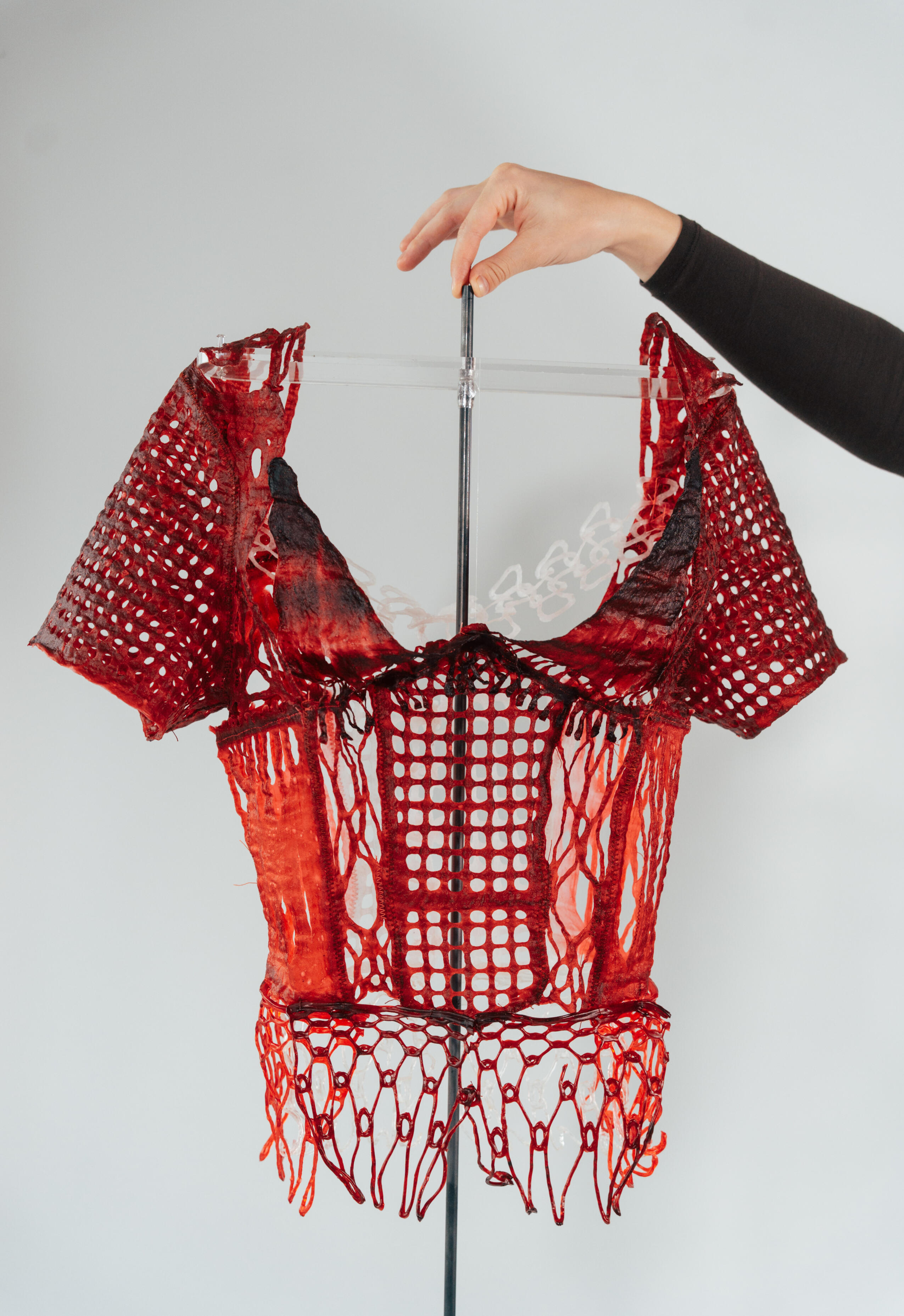
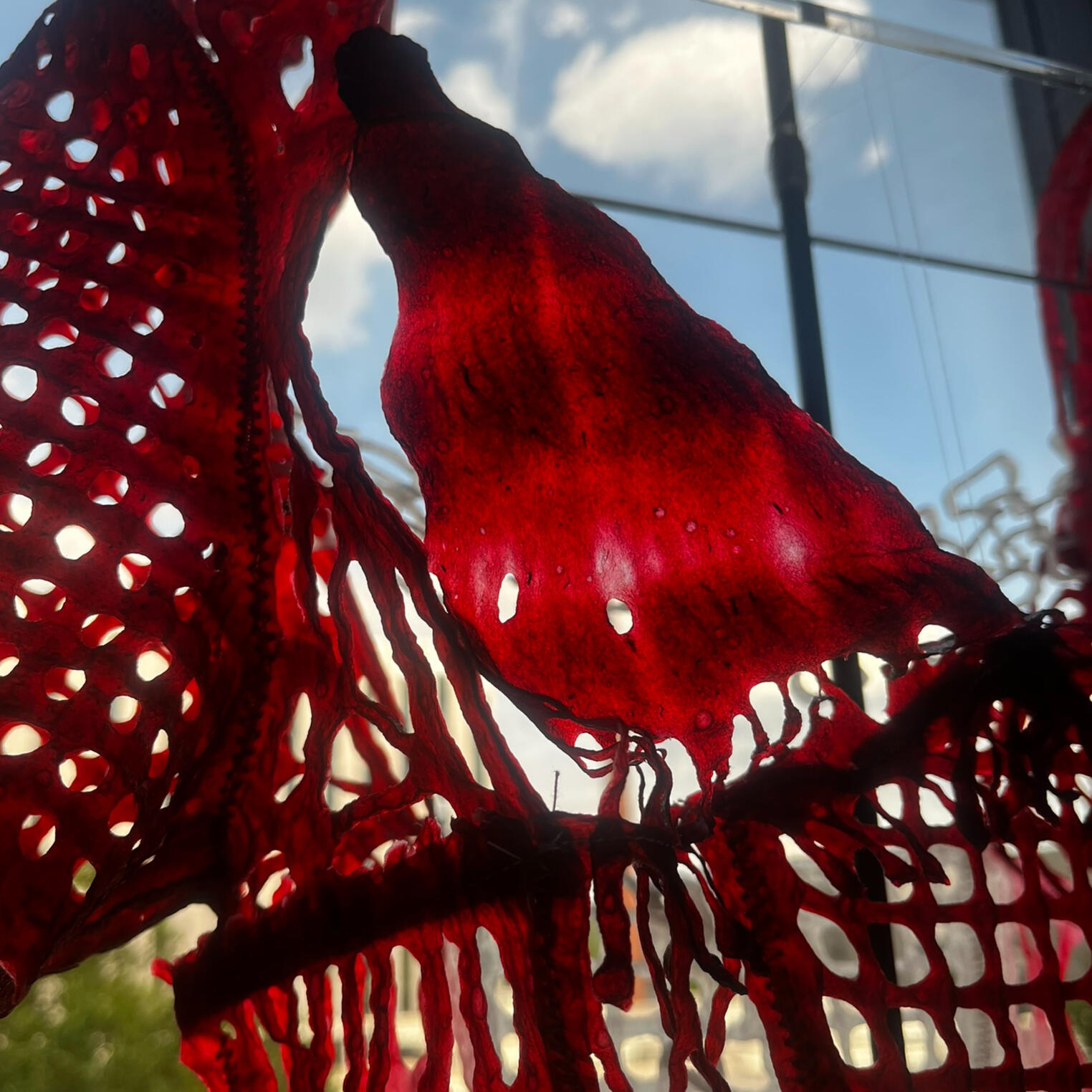
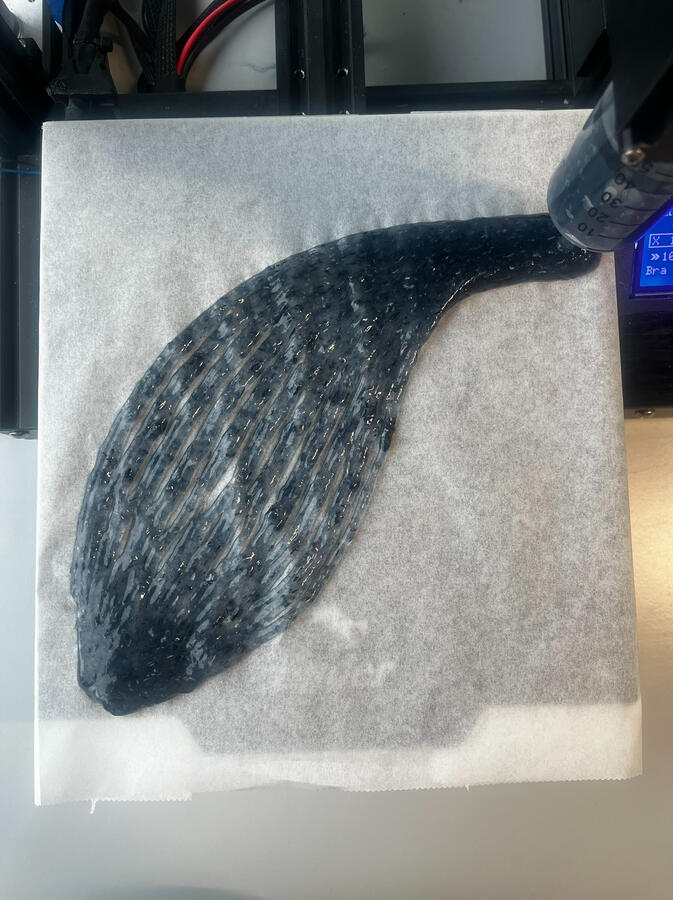
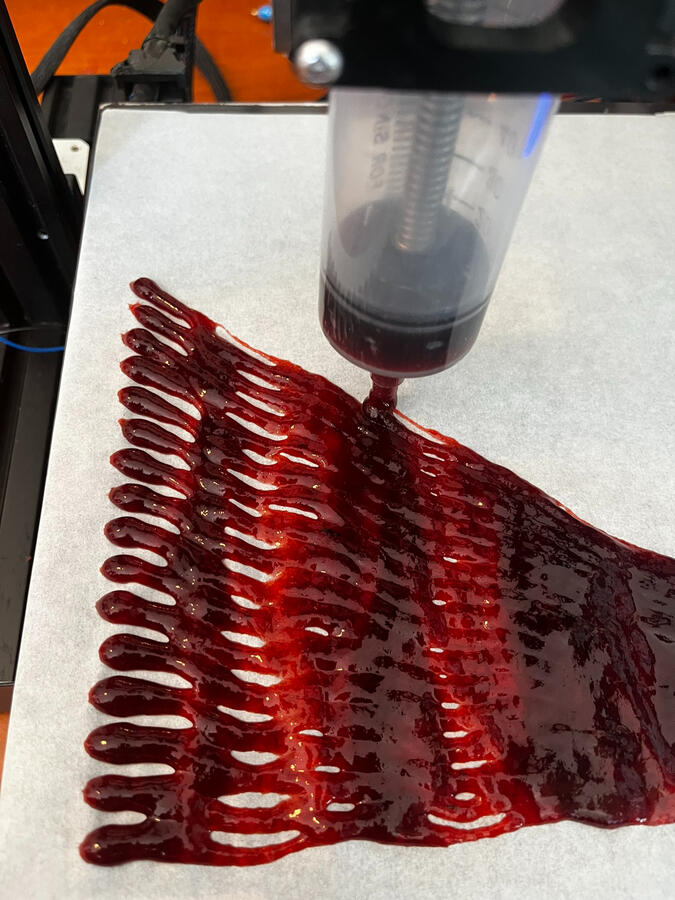
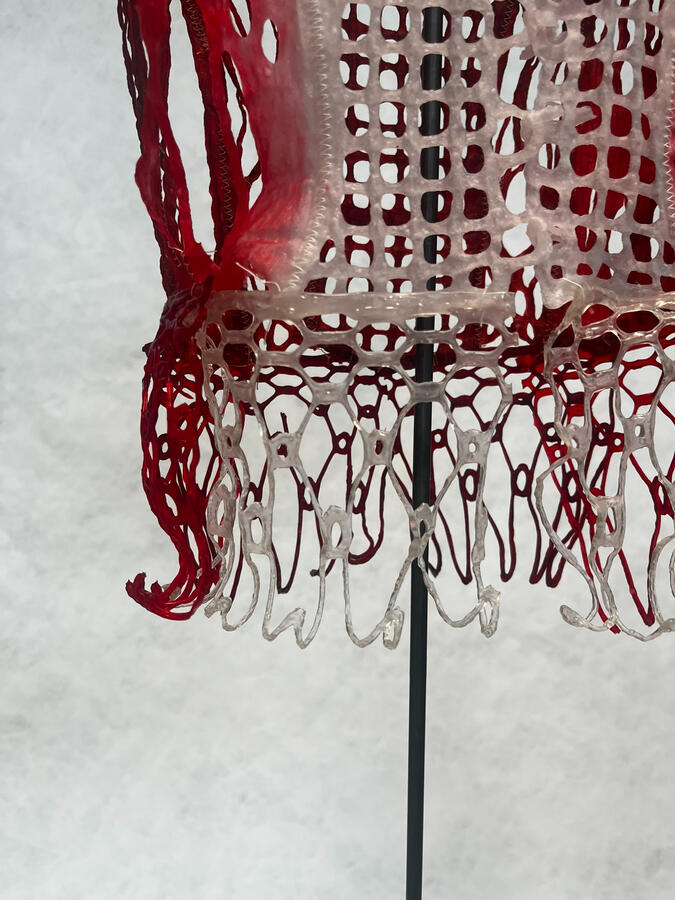
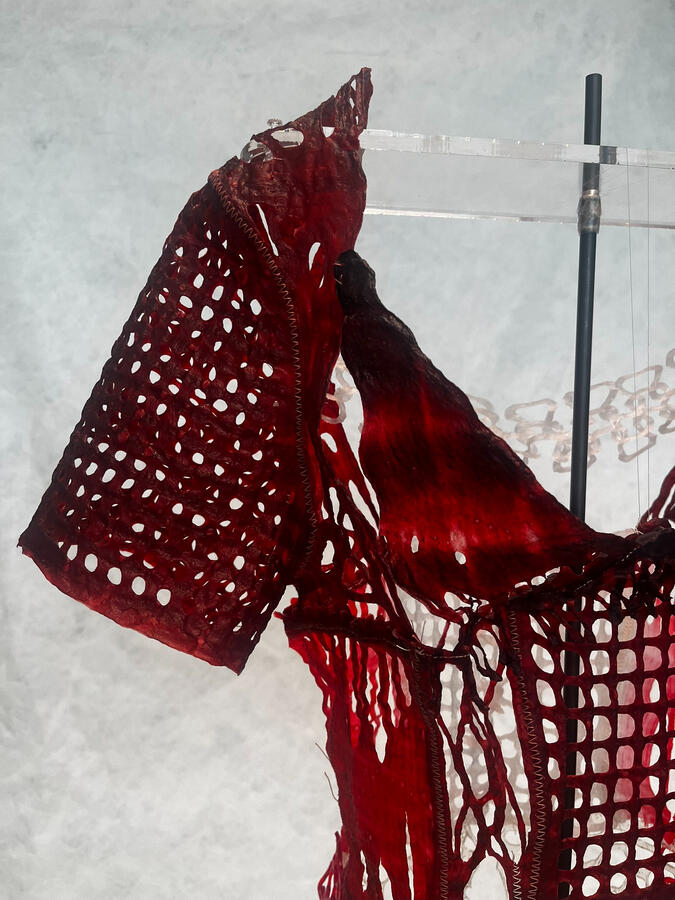
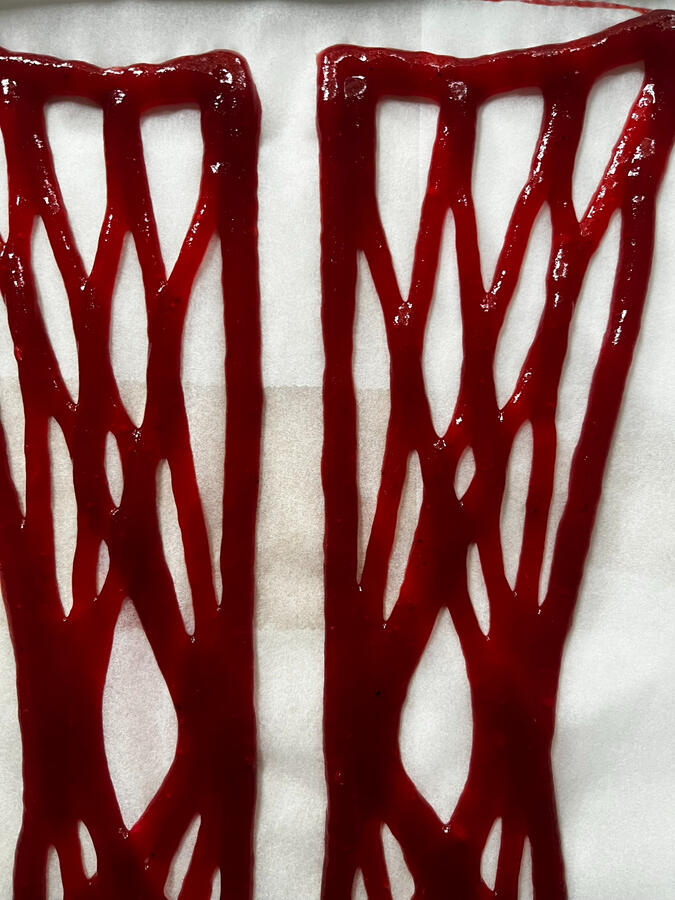
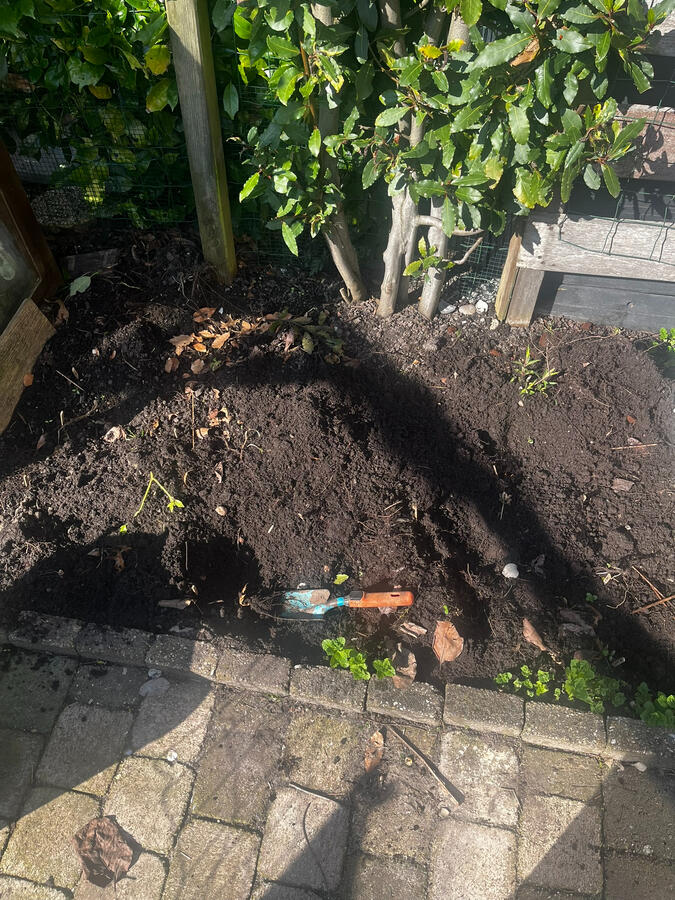
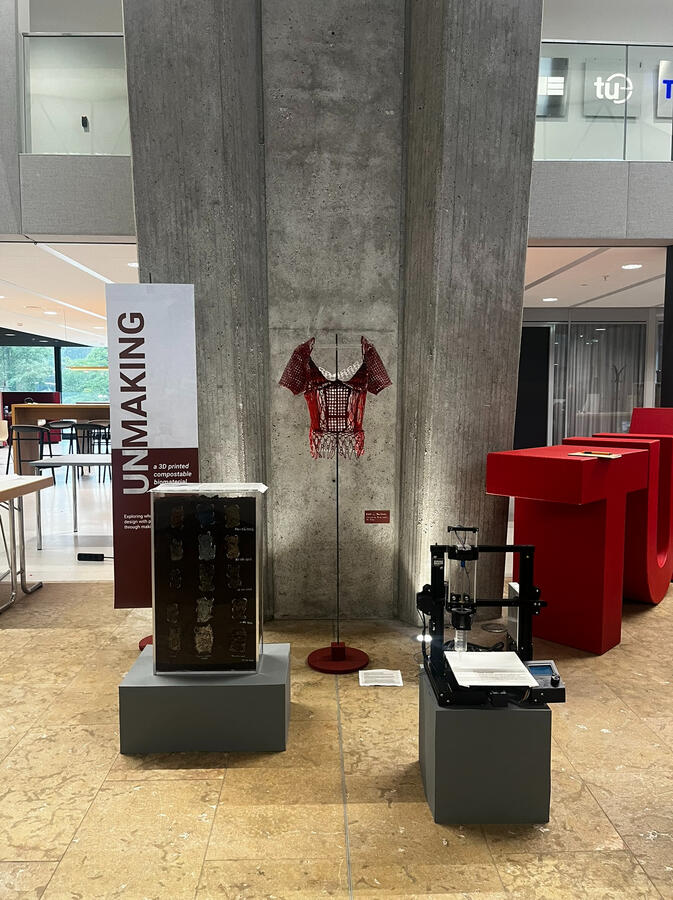
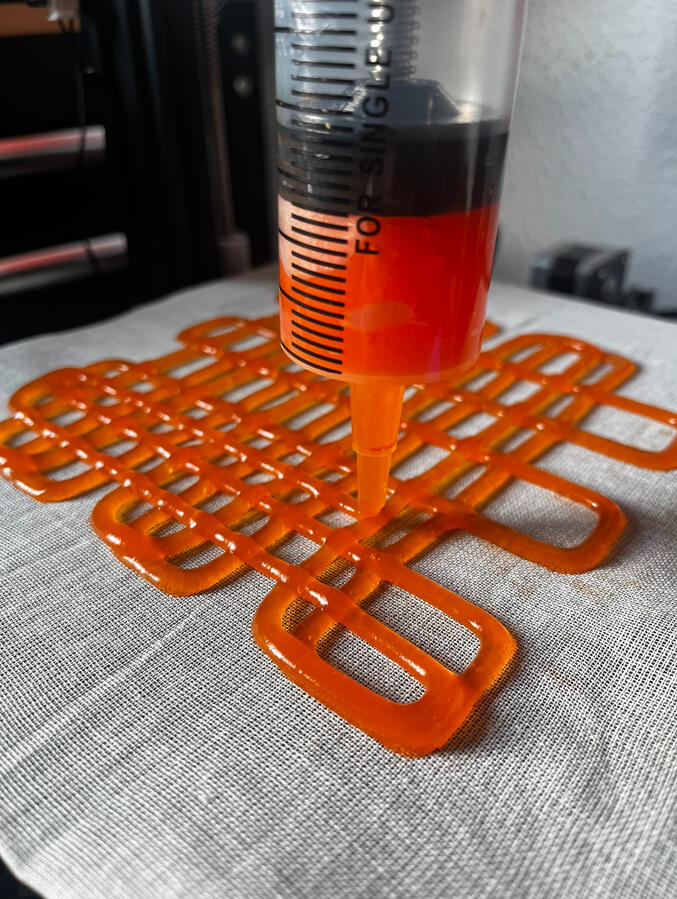
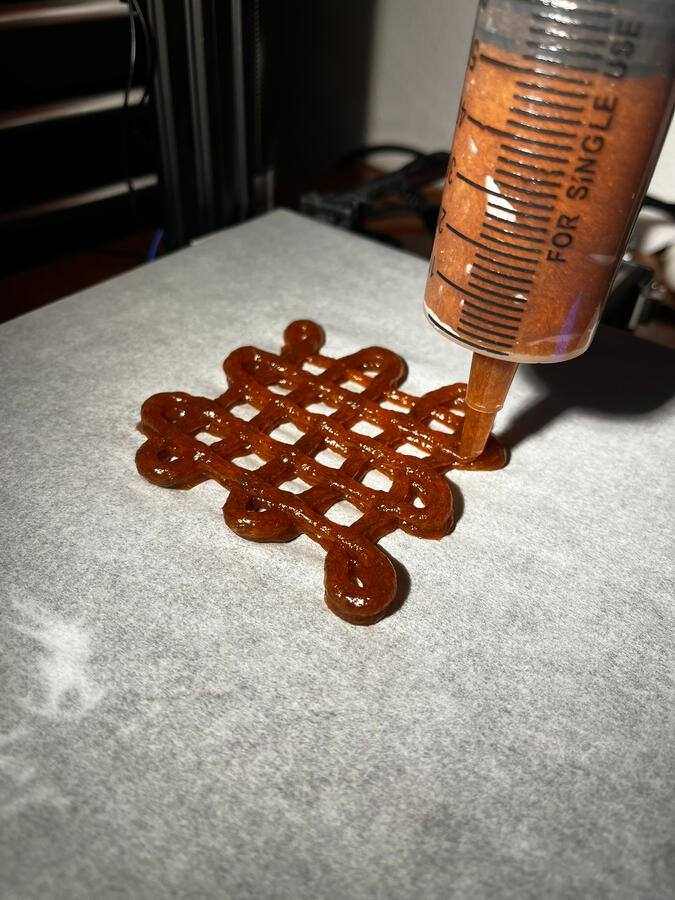
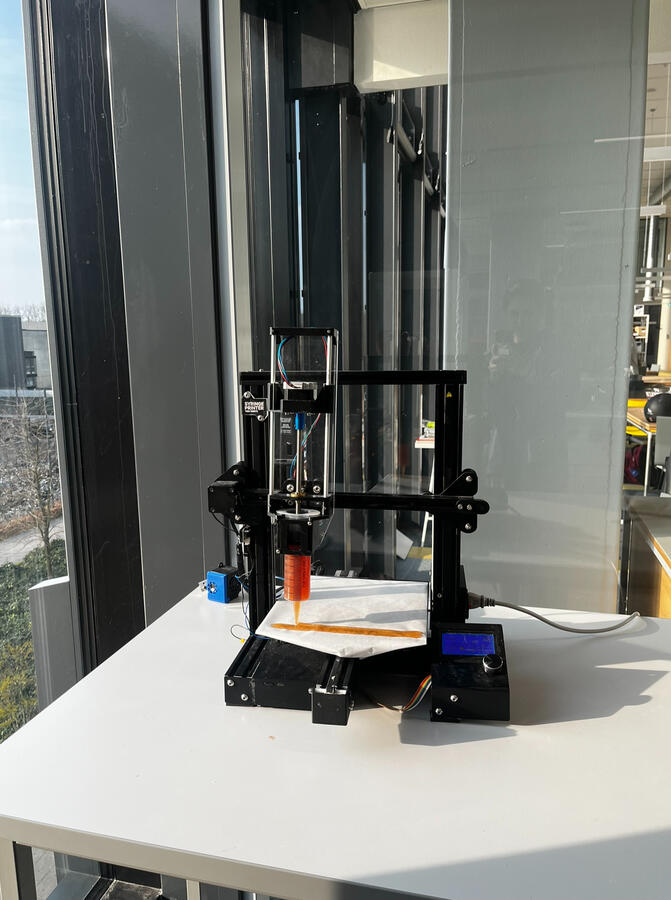
Looking back, composting seemed to keep finding its way into my work. Later I realised that this stems from how I approach design. Just as I like to think through making, I also want to experience what happens to materials after use. When designing compostable materials, that means carrying out composting processes myself. What frictions arise when making and unmaking are both part of the design process? And how can this contribute to designing for post-use material transformation?My final master's project in Industrial Design explored what changes when designers actively engage with the post-use transformation of materials through composting. Rather than treating compostability as an afterthought or simply a material property, this project positions composting as an active part of the design process.Using a modified 3D printer, parametric design, and custom G-code generation in Grasshopper, starch-based biomaterials were extruded into garment pattern pieces and assembled into a wearable garment. Alongside this making-guided process, material samples, fabrics, and garment components were unmade and composted in soil. This let reflections emerge on responsibility, assembly, attachment, temporality, scaling, terminology, and material continuation.Interviews with researchers working with biomaterials and circular fashion practices supported a broader reflection on how post-use material transformation can be more intentionally integrated into design processes. The project argues that designing for material transformation requires moving beyond linear end-of-life thinking toward a more relational understanding of how materials continue to transform and participate in ecological systems after use.


Designing for biodegradation: 3D printing biomaterials
FMP preparation project
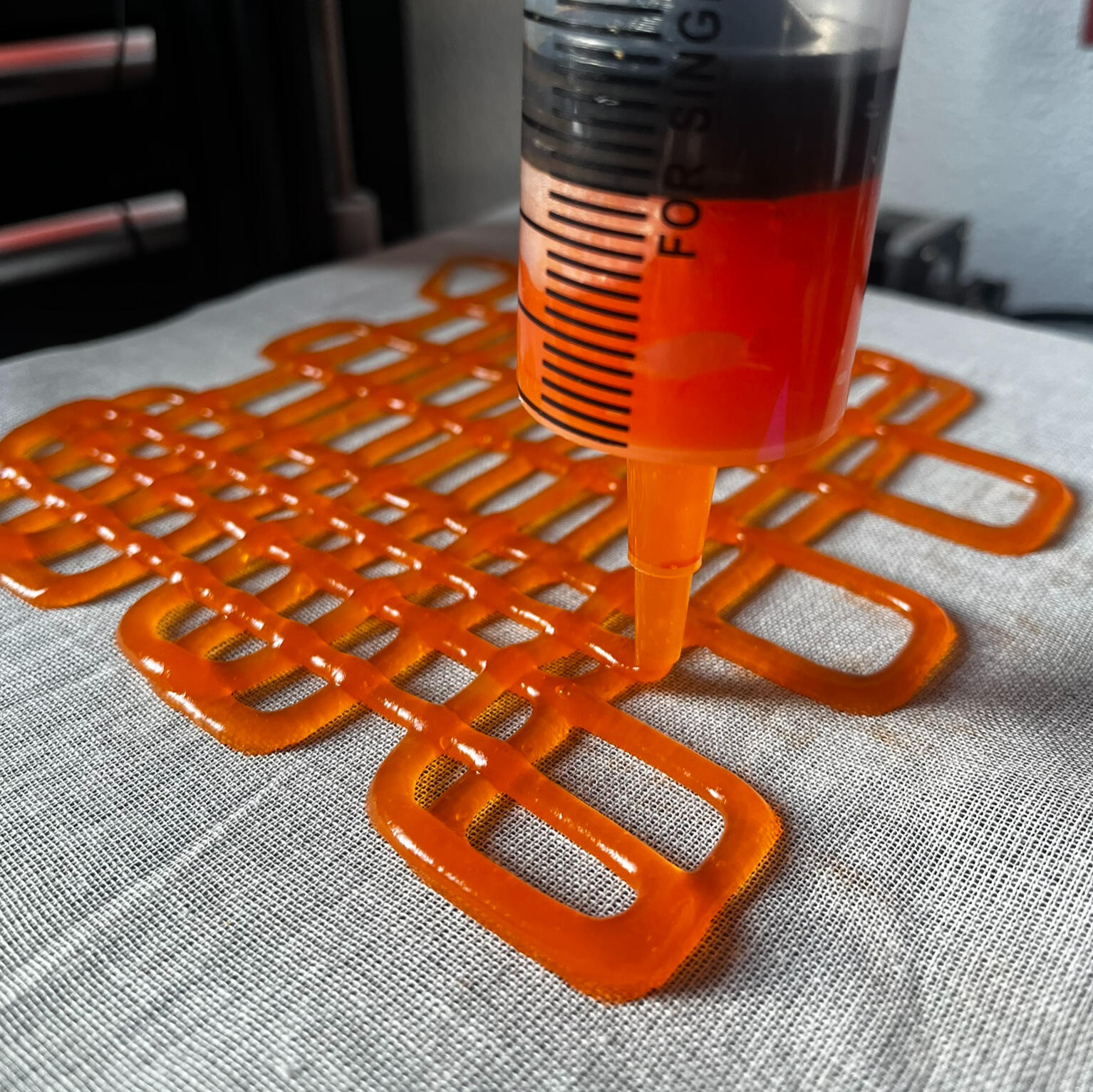
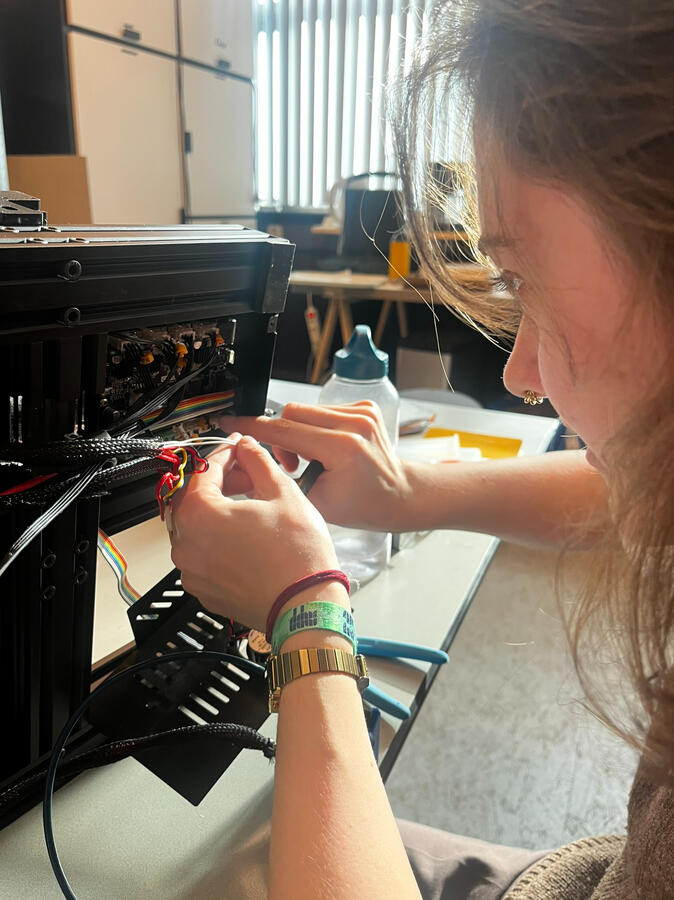
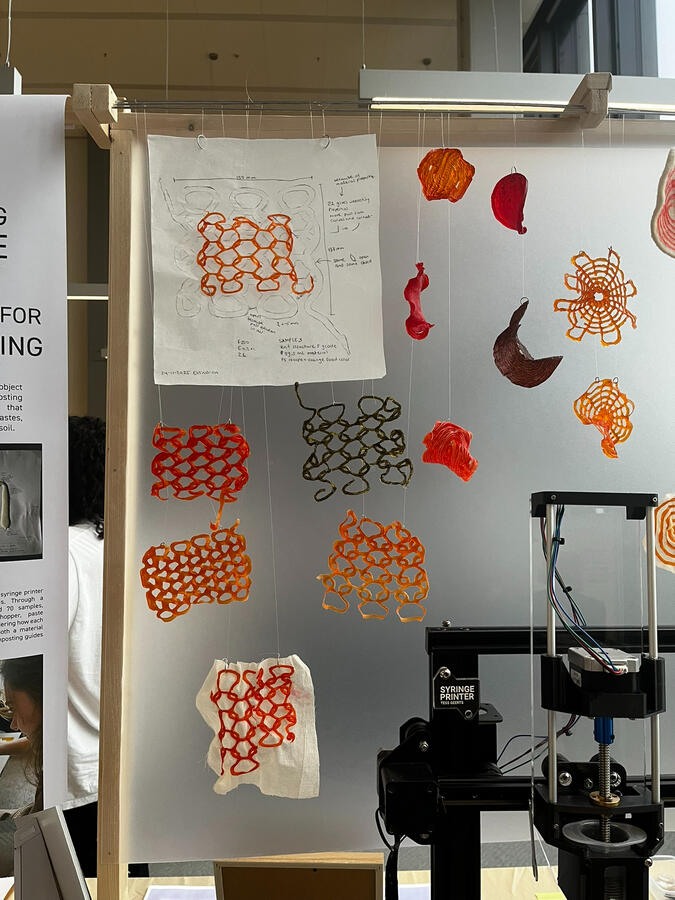
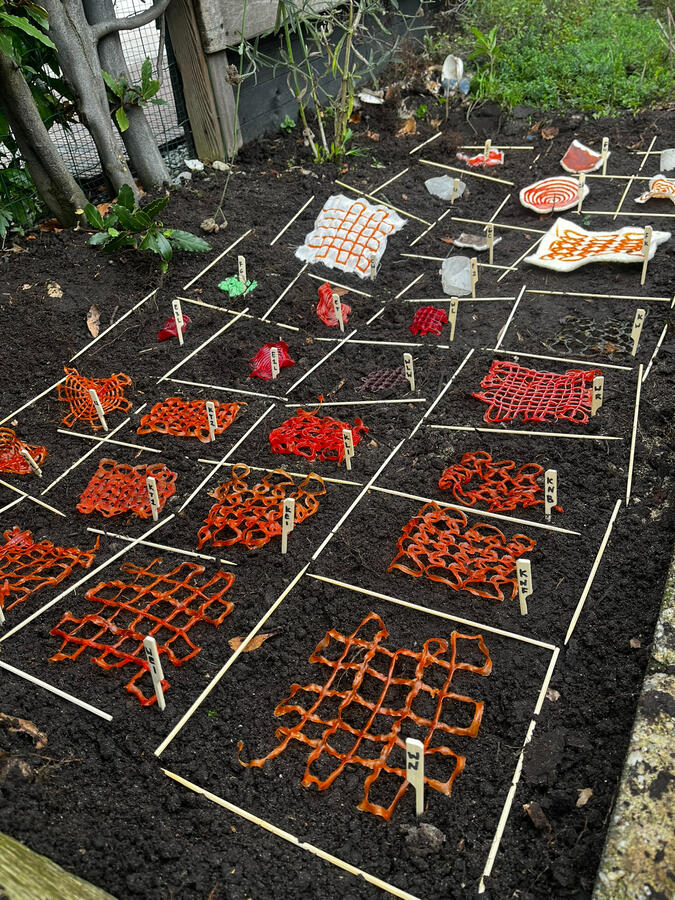
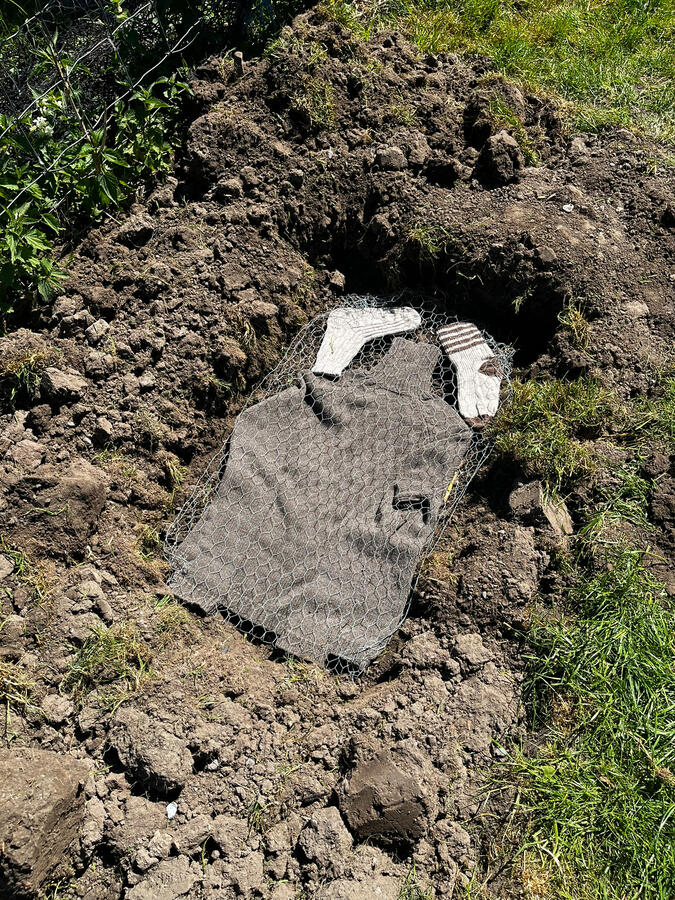
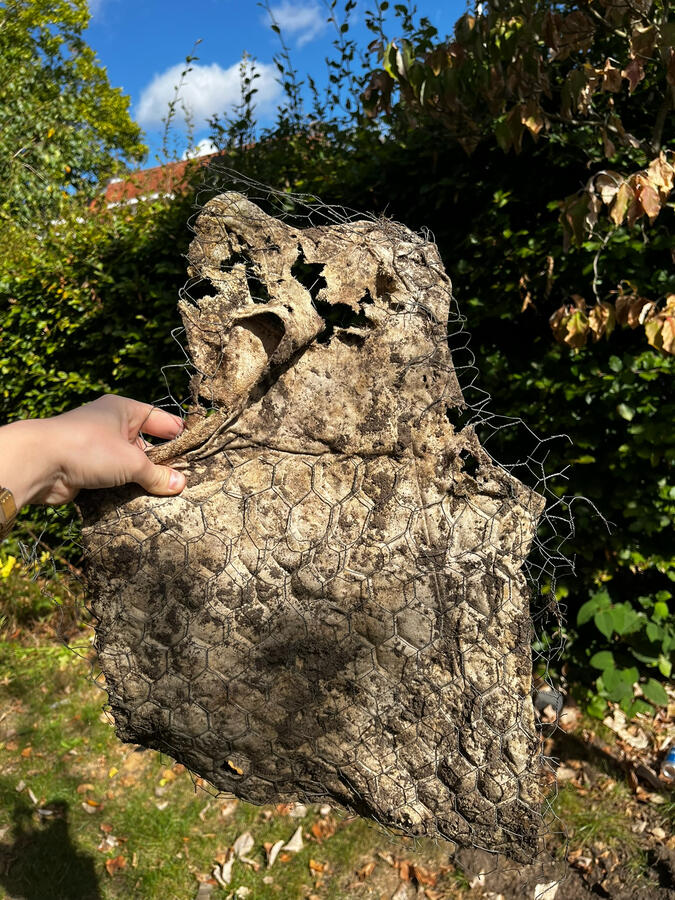
Composting not as part of the design process, but as its primary goal. Can I influence biodegradation through computational design and 3D printing? And what happens to my relationship with non-humans when biodegradation becomes the design objective?This project explores designing for biodegradation through the 3D printing of biopastes. Biodegradation is approached as a more-than-human process of unmaking, and the project explores if I can tune this process with the computational design samples. The work follows a making-guided design approach, where iterative sample making continuously informed further design decisions.I modified a 3D printer into a syringe extrusion system and produced a series of samples which I buried into the soil at the end of the project. The process evolved from early hand-extruded experiments to custom G-code generation in Grasshopper, allowing precise control over grid structures, extrusion behaviour, and material deposition. Each sample contained comparable information embedded within its code, creating a direct link between design decisions and material outcomes.

speculating on how we could compost clothing
M1.2 design research project
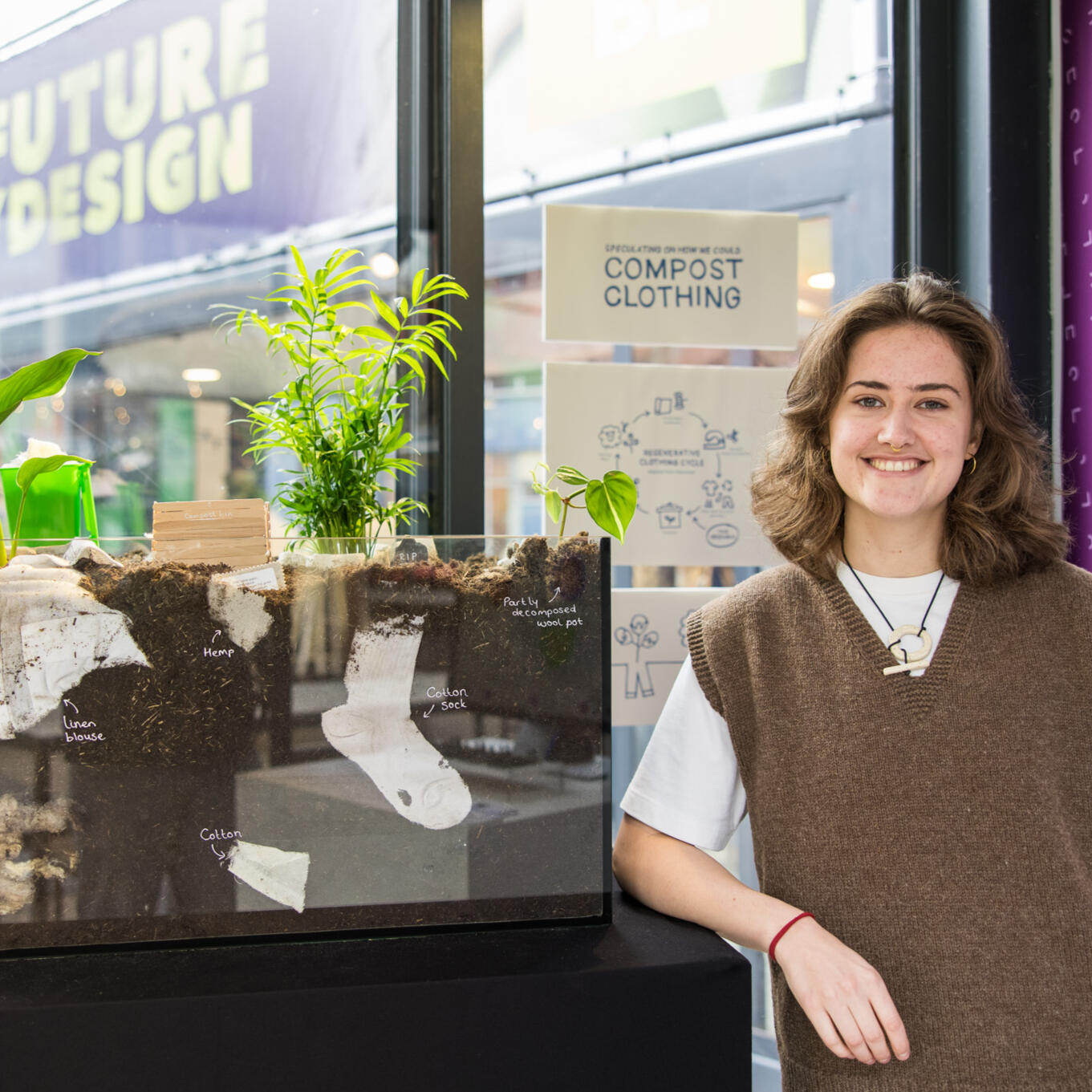
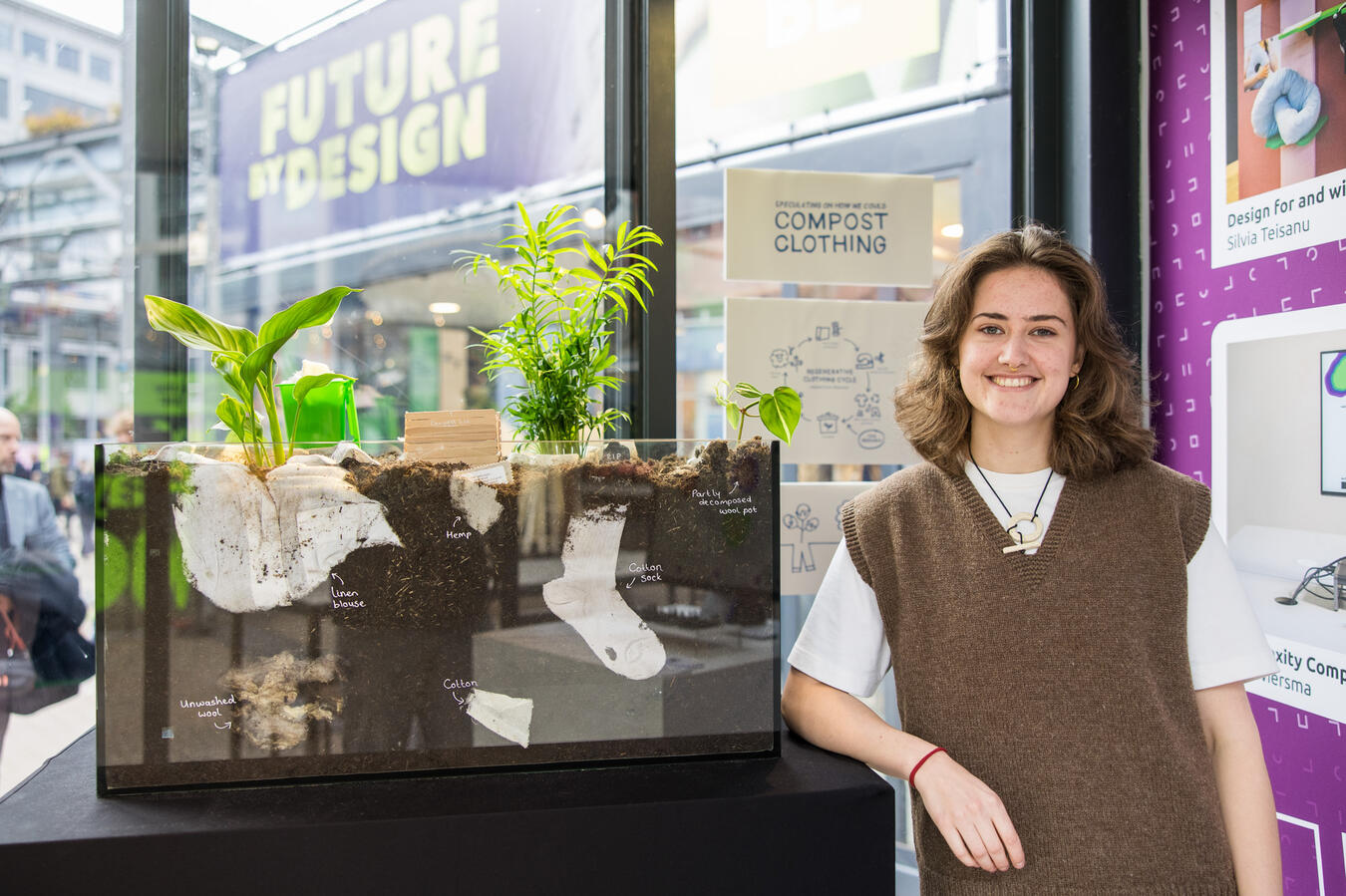
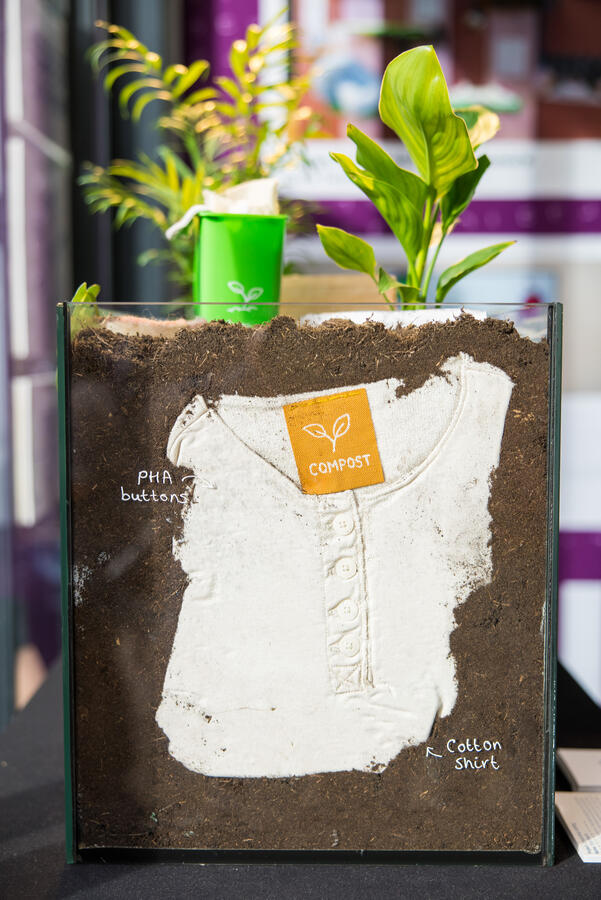
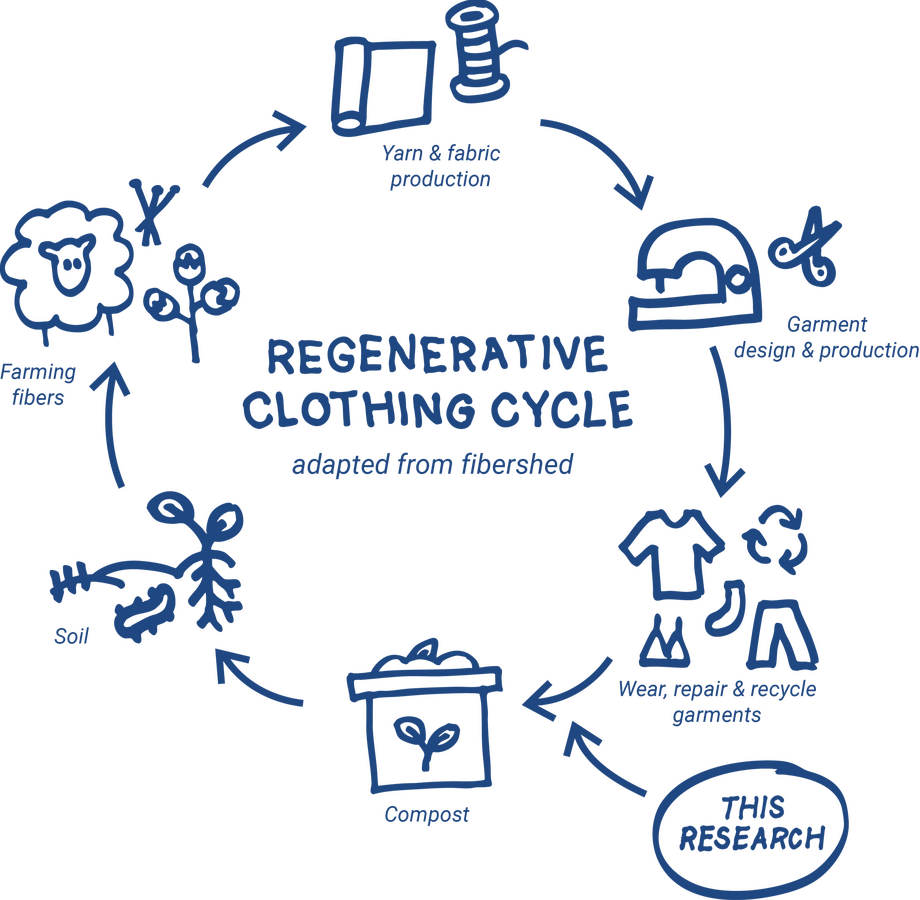
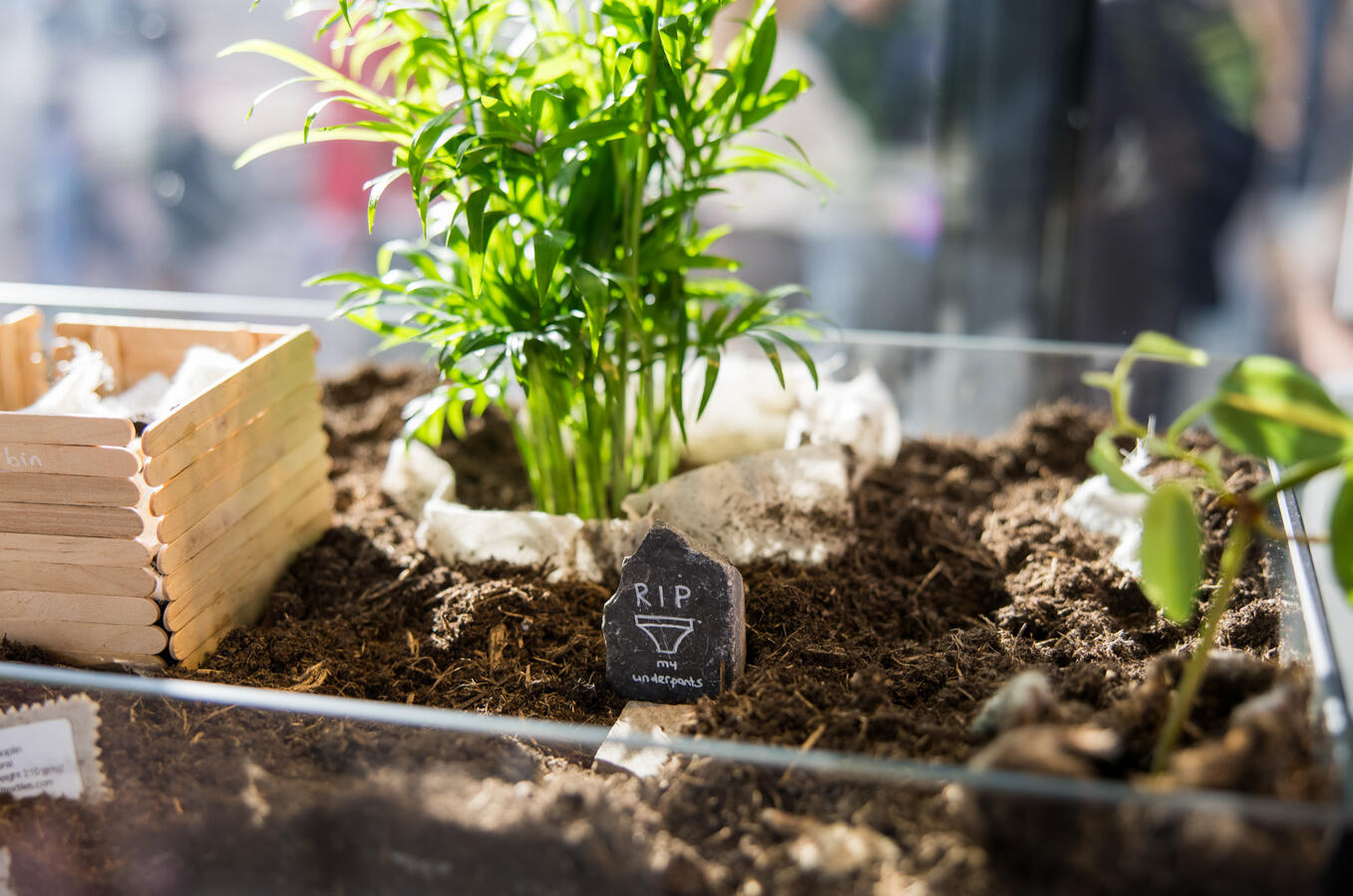
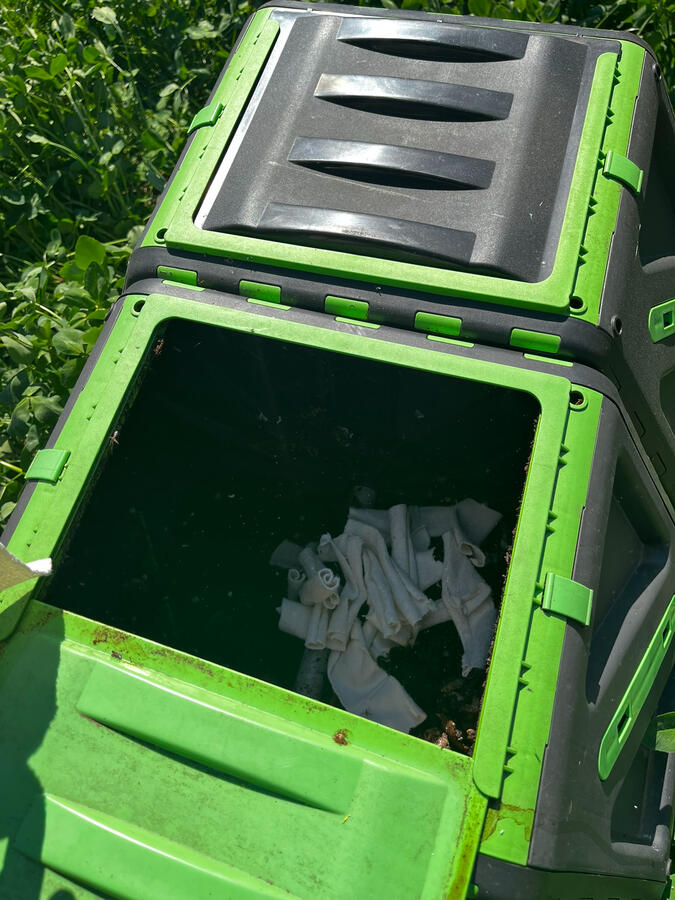
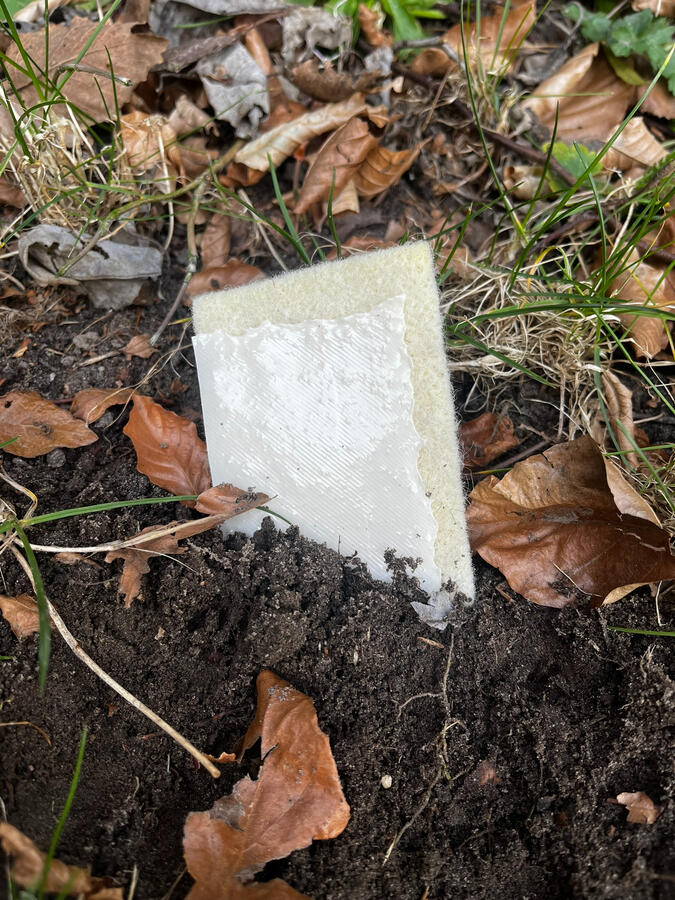
When I realised that natural fibres used in clothing are compostable, it changed the way I looked at clothing systems. What if clothing were made to be compostable? And how would we actually do that? Would we bury our underwear in the backyard?Inspired by Fibershed's soil-to-soil framework, I became interested in the gap between wearing, reusing, recycling, and the compost. Together with participants, including five field experts, I explored this space through speculative enactments and a world-mapping exercise designed to gather stories. This research presents stories that can inform the design of this part of the regenerative cycle.I presented this project at Dutch Design Week 2025 through an installation that showcased multiple composting possibilities within a single exhibit. Fibershed also invited me to write an article about the research for their website.




embroidering with the unexpected
M1.1 design group project
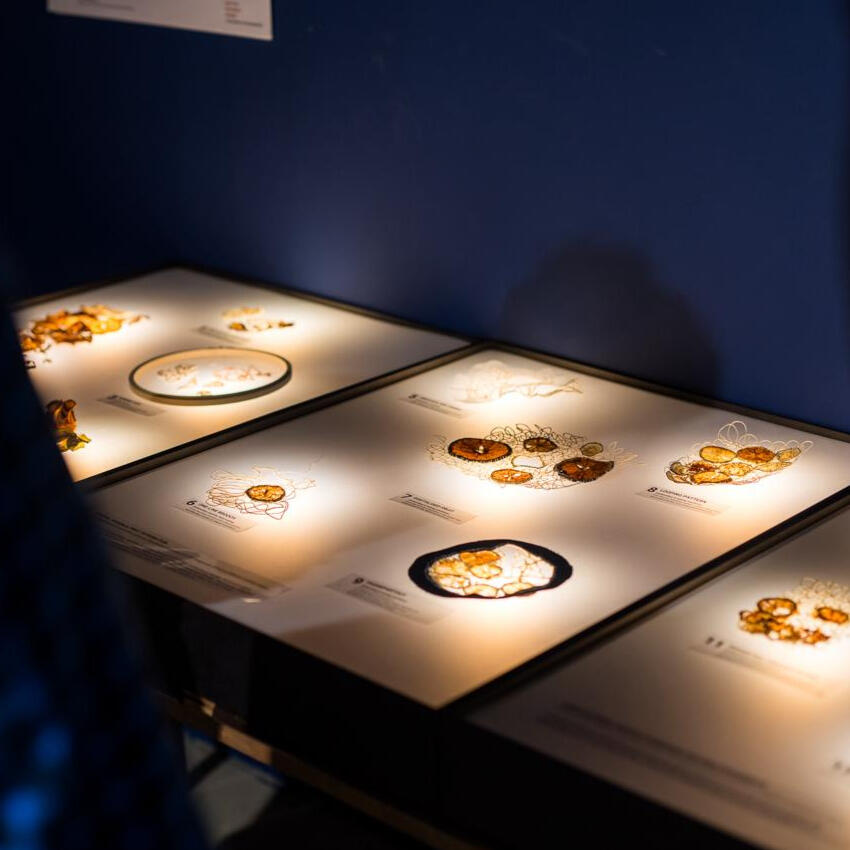
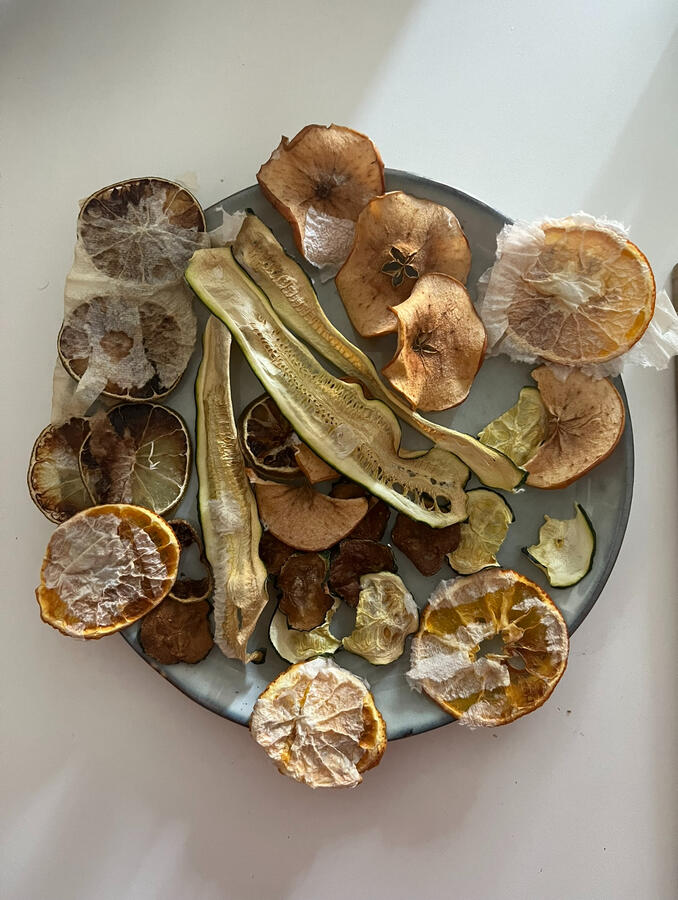
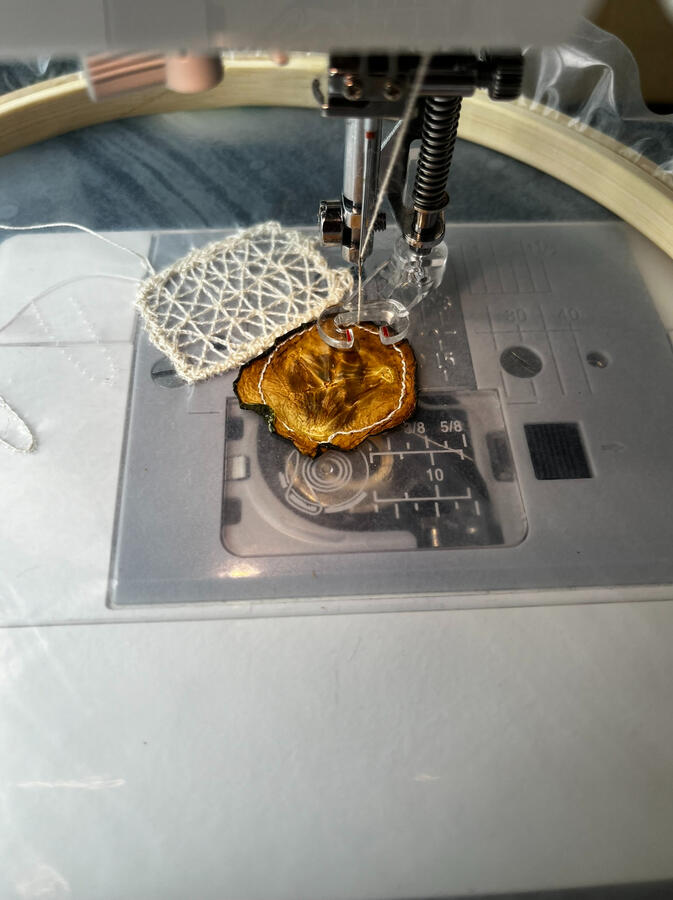
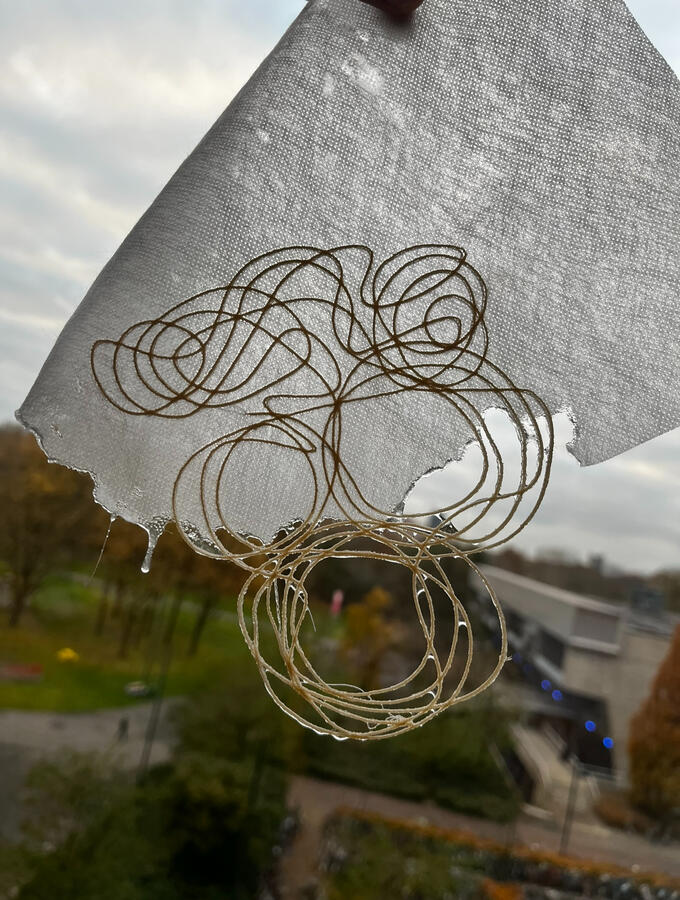
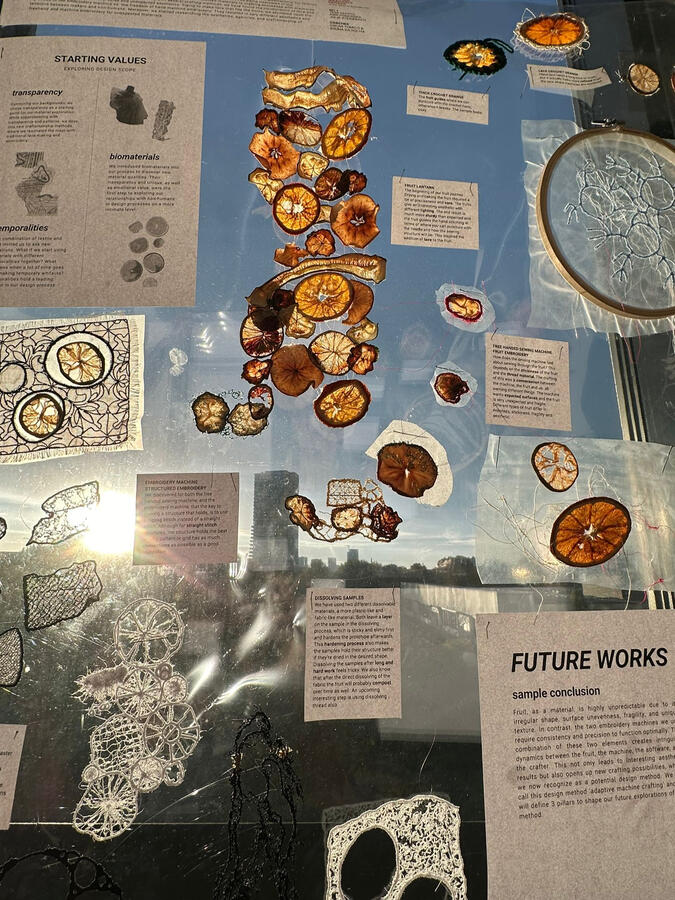
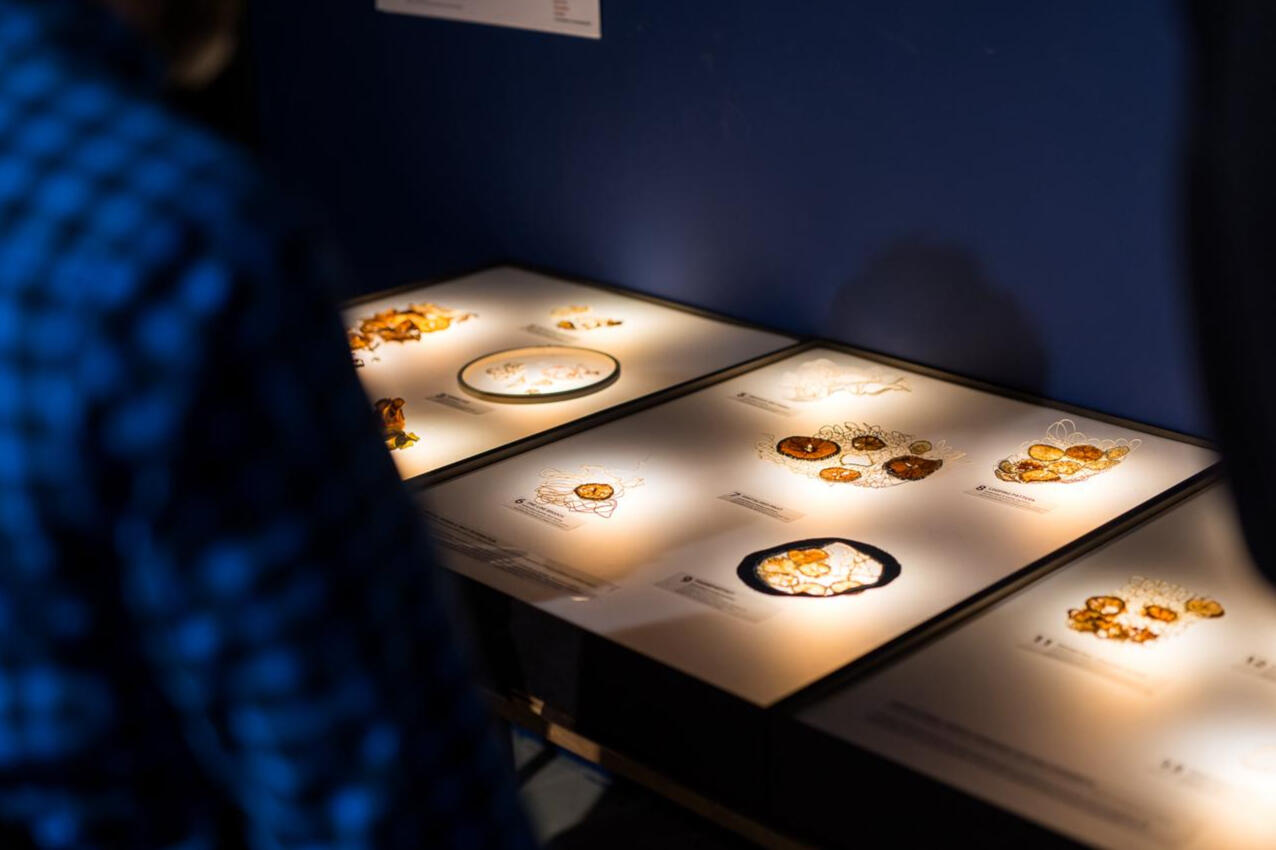
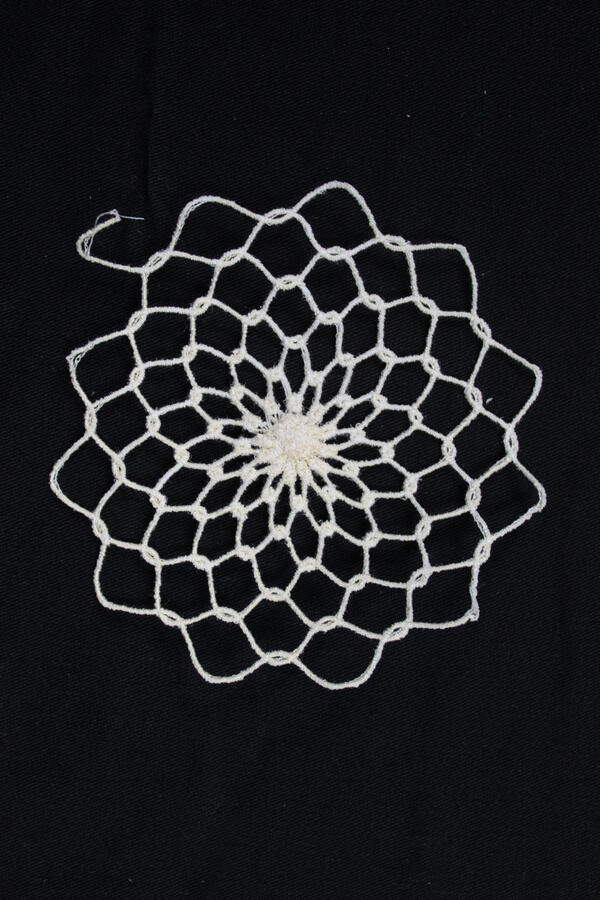
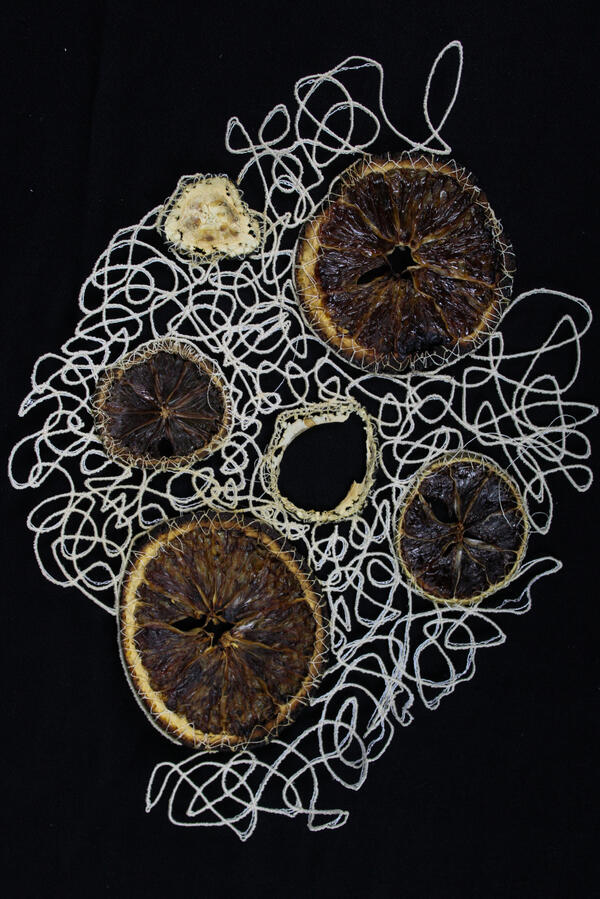
Fruit slices, unevenly shaped, sometimes sticky, sometimes brittle, but beautifully transparent, what if these are integrated into digital craftsmanship processes?Embroidering with the Unexpected was a master's project in Industrial Design completed in collaboration with Julia Steinebach and Asia Pomorska. The project explored the integration of fruit into embroidered lace-making through hybrid fabrication processes, investigating how unconventional materials influence collaboration in crafting and aesthetic outcomes.We focused on the dynamic interactions between human and non-human actors, including fruit, machines, software, and designers. Through material explorations, autoethnography, and co-creation sessions, we discovered how the unpredictability of fruit encouraged experimentation and shaped the design process.
Close collaboration in sample making and reflection was important to the projects success. Besides that, my individual contribution focused on structuring and communicating complex findings and reflections in a clear and accessible way. The project received an excellent.


the pattern project
final bachelor project
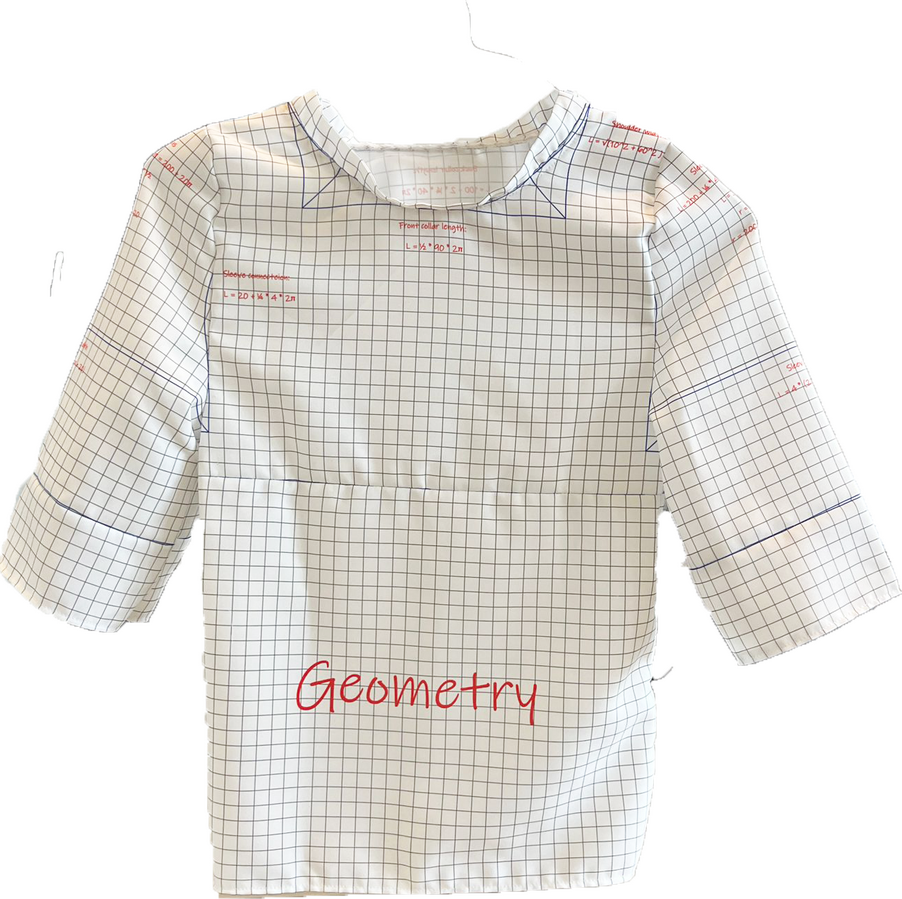
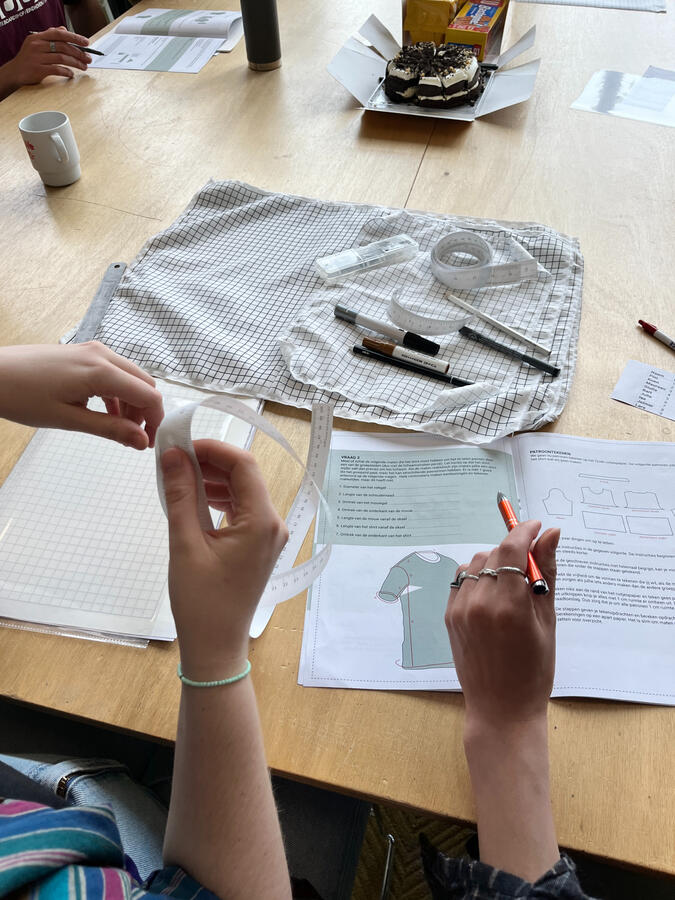
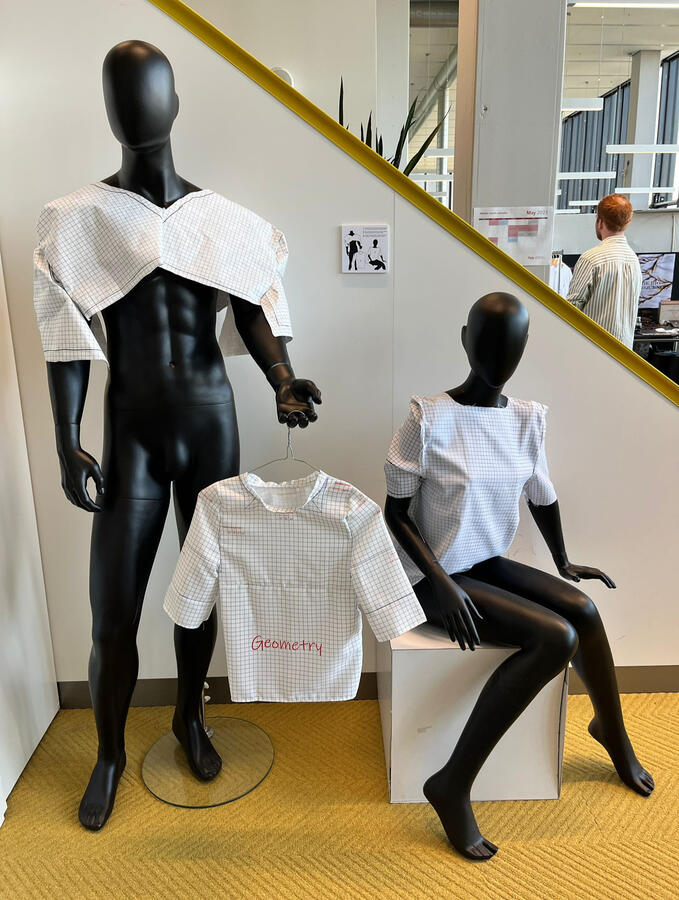
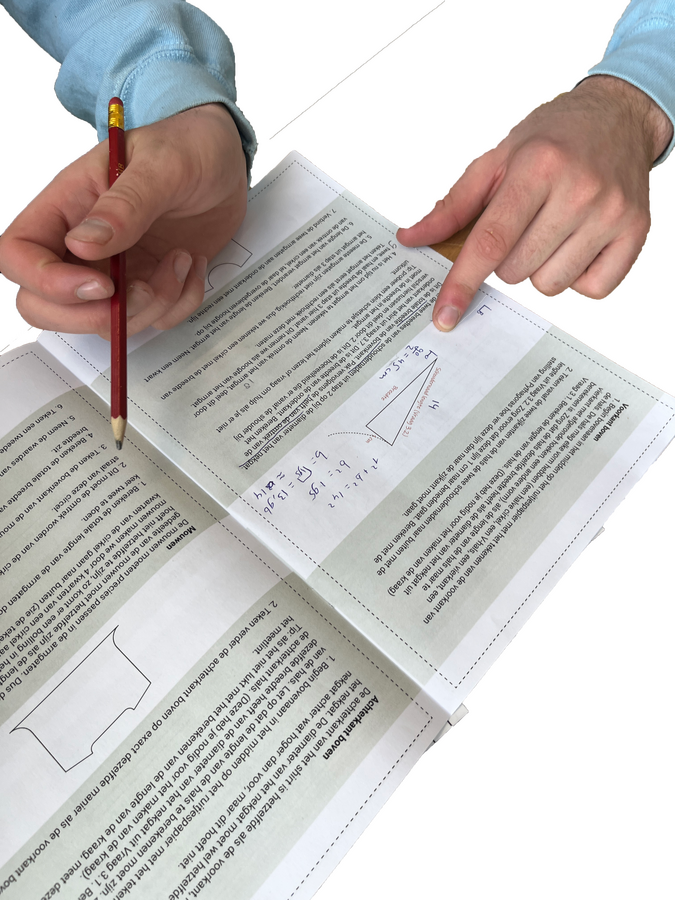
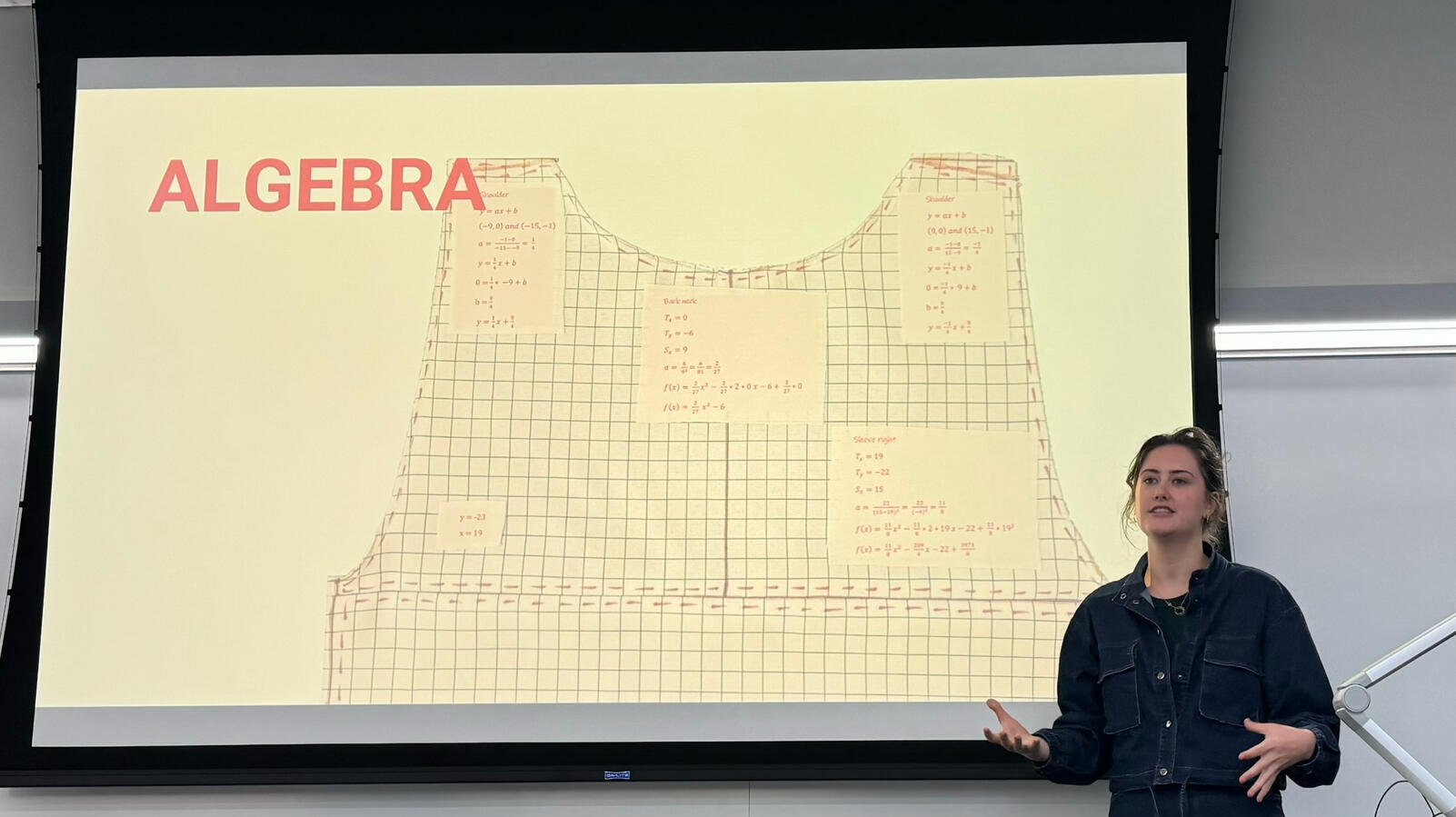
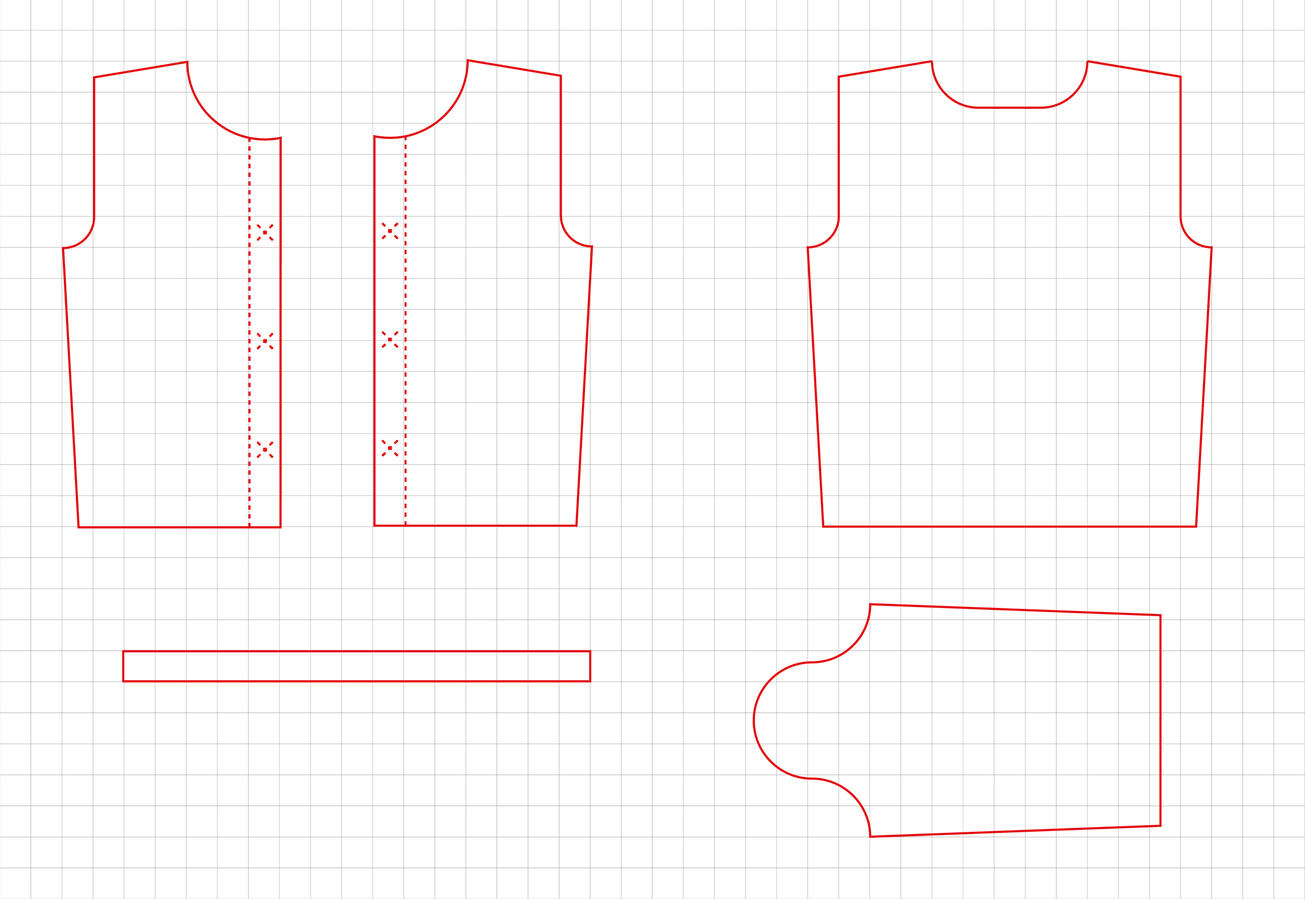
I mainly remember mathematics in high school as solving one equation after another. Apart from the occasional story problem, I rarely encountered practical or creative applications for what I was learning. At the same time, I have always been fascinated by the mathematics embedded in textile and clothing craft.I graduated from my bachelor's in Industrial Design with The Pattern Project, an educational project designed to help high school students apply geometry in a real-world, hands-on context. The project guides students through the process of making a shirt. After taking their own measurements, they use geometry to draw sewing patterns so that the pieces fit both together and around the body.My goal was to offer a creative and practical application of mathematics in high school education, something that is often missing from existing curricula. At the same time, the project shows the technical and mathematical nature of textiles and garment making.The project attracted interest from the education sector and was developed into an interdisciplinary high school programme. I also presented the project at Dutch Design Week 2024. In addition, a paper about the project was accepted at Bridges, a conference on mathematics and art, where I presented the work in Richmond.


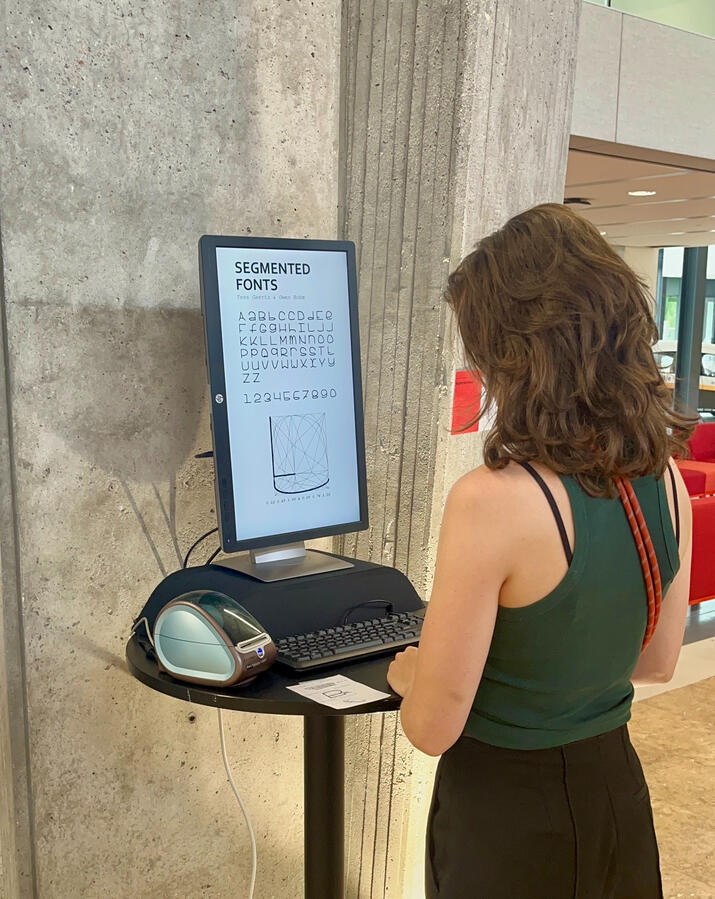
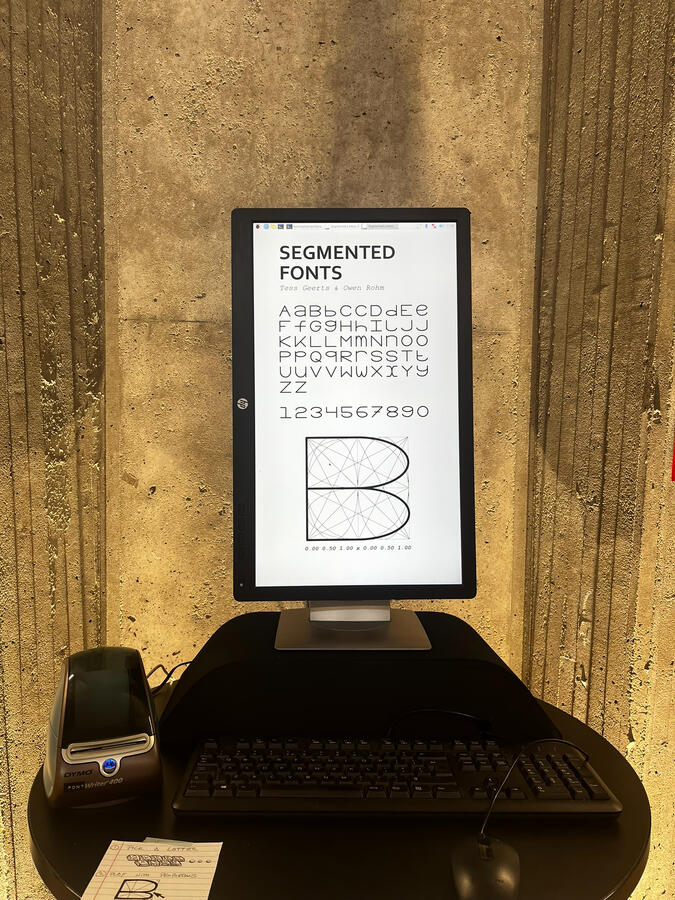
segmented fonts
bridges artwork
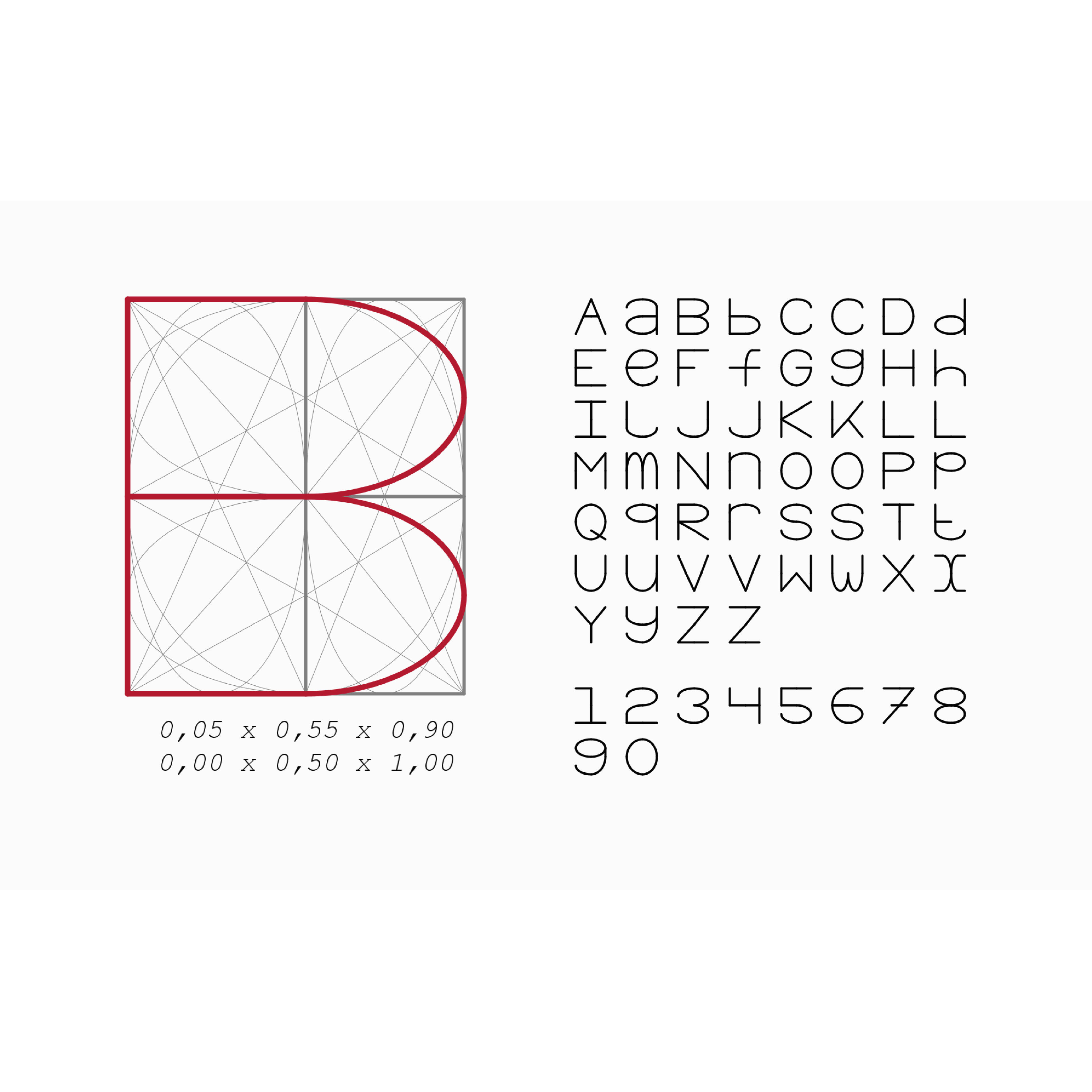
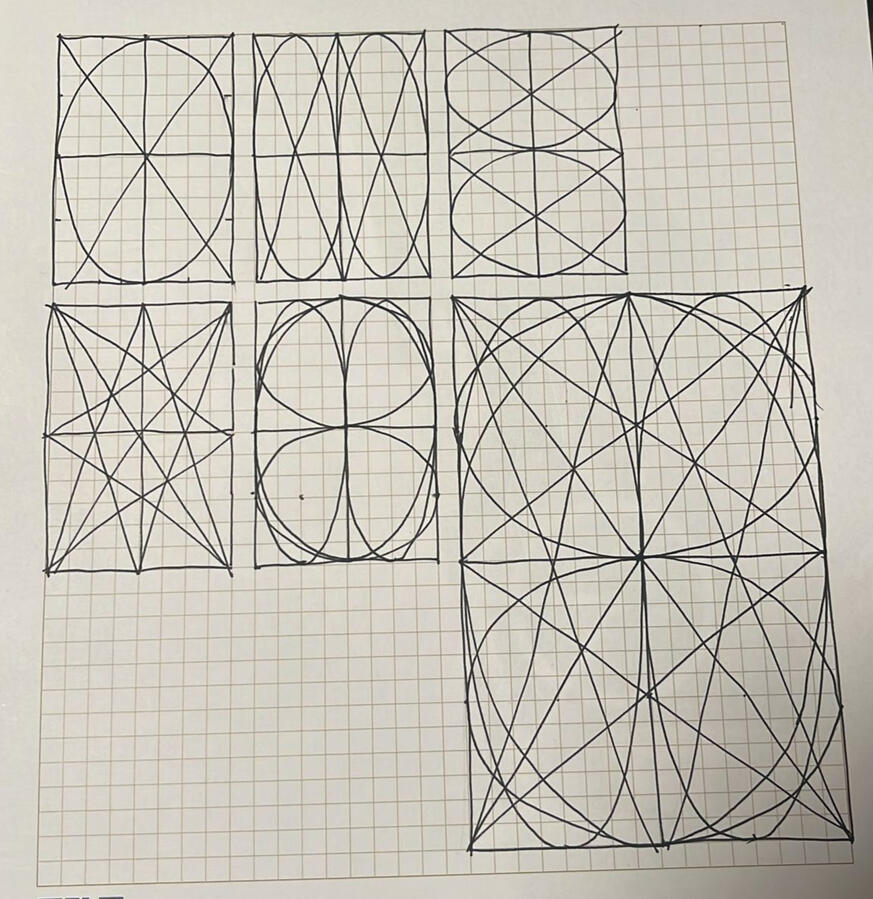
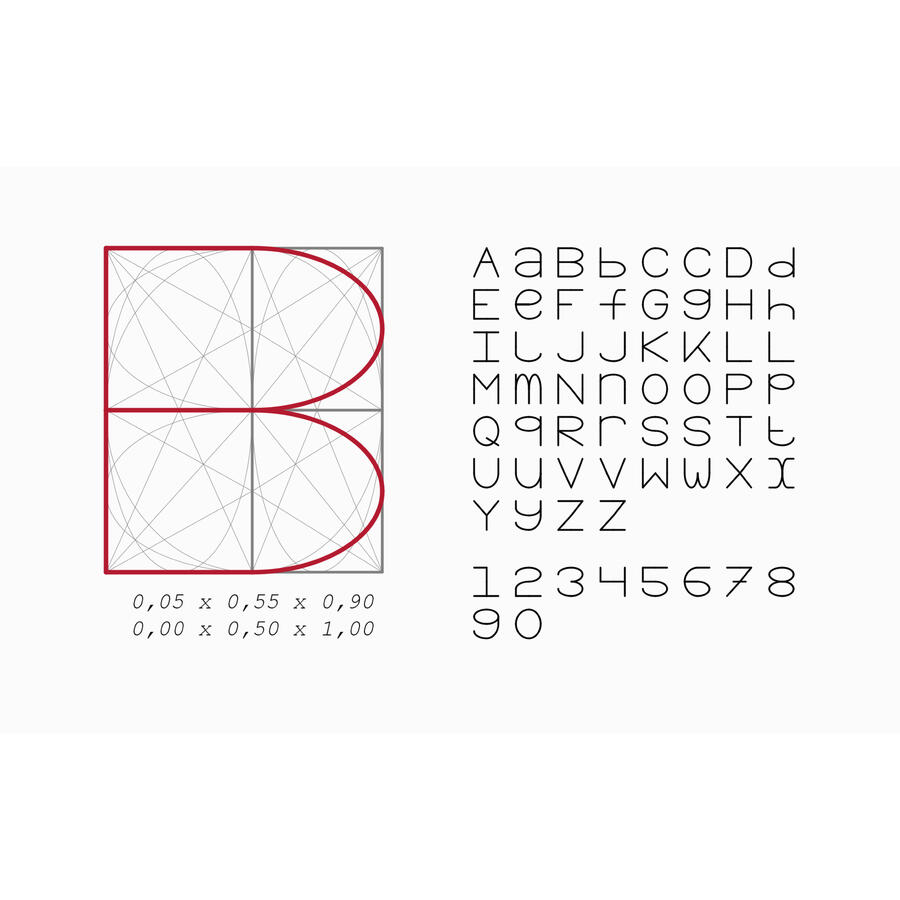
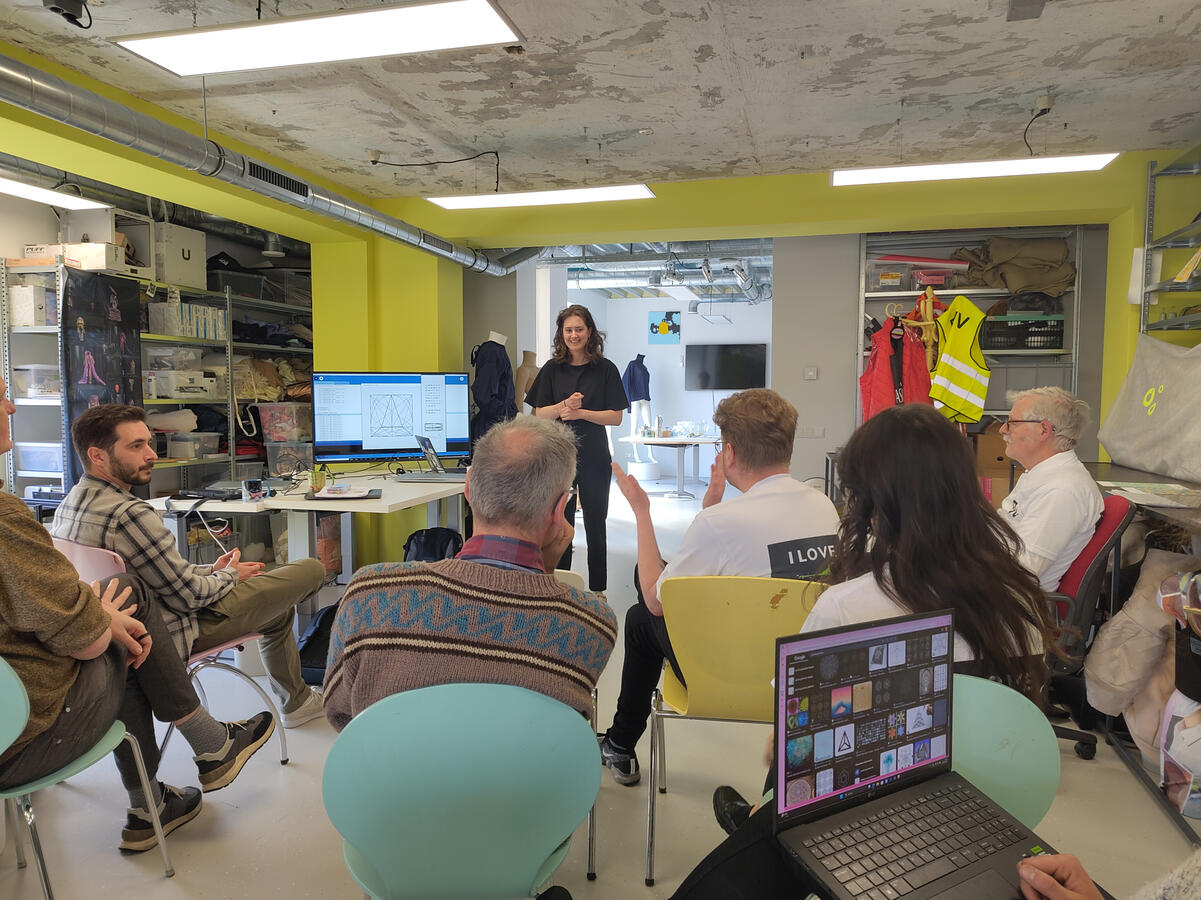
After attending the Bridges conference with my paper, I wanted to contribute to the edition held in Eindhoven the following year. In collaboration with Owen Rohm, I designed a typeface based on a limited set of segments that could be morphed to form an entire alphabet.

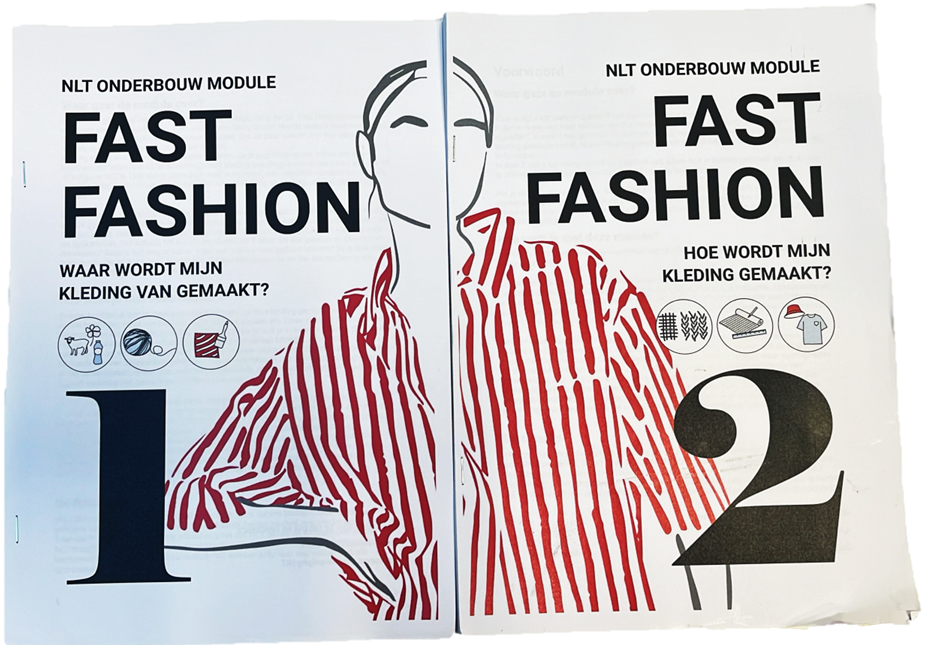
fast fashion
educational high school project
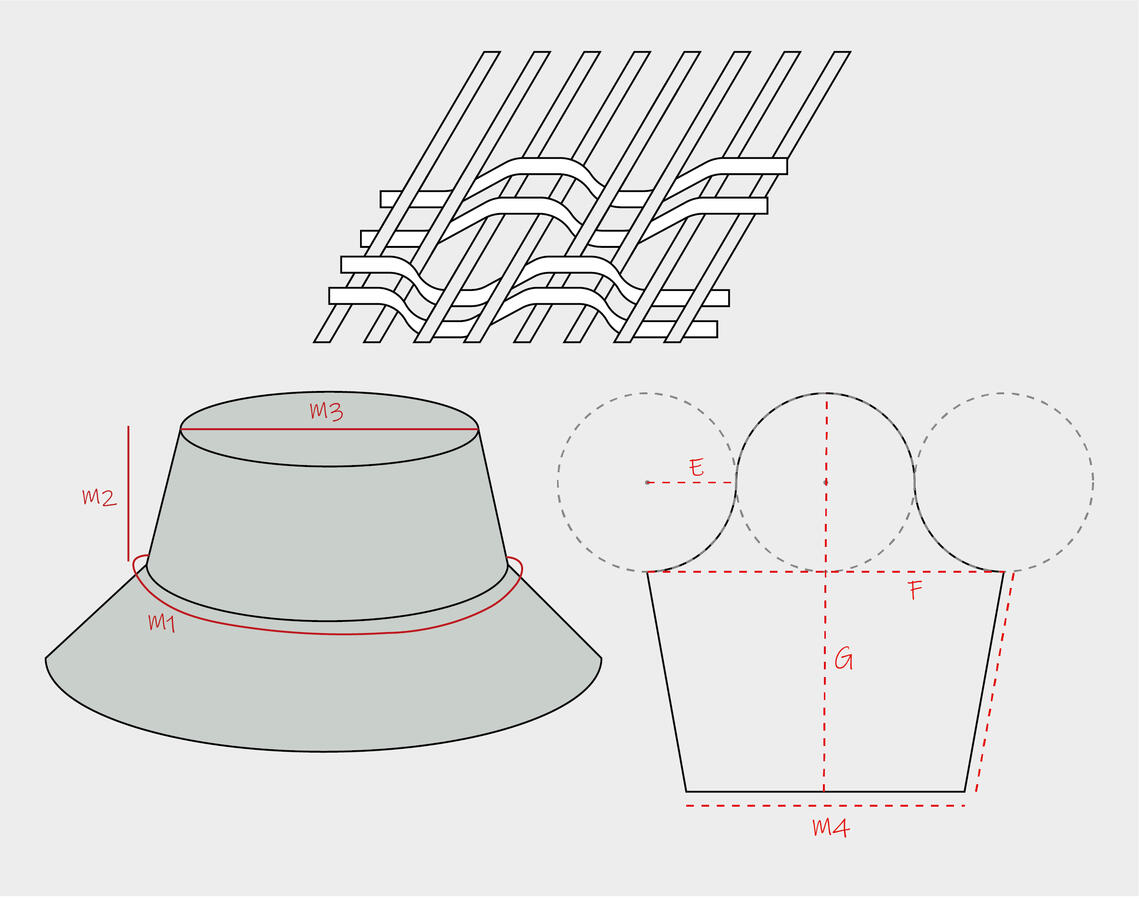
Being able to realise the project I developed during my graduation and then see students engage with it in the classroom was incredibly rewarding.Building on my bachelor's graduation project, I collaborated with Yo van Dijk, a chemistry and biology teacher, to develop an interdisciplinary high school project for Vereniging NLT. Together we created two project-based modules on textiles and clothing called Fast Fashion.The modules offer a hands-on introduction to where our clothes come from and how they are made, combining biology, chemistry, physics, and mathematics. In addition to co-authoring the modules, I created all illustrations used throughout the material and later I was asked to redesign the entire branding and logo of the organisation. Since 2025, the modules have been available to Dutch high schools.

new branding for nlt
graphic design
While developing the Fast Fashion educational modules, I noticed there was little visual consistency across the educational materials provided by NLT. When I was given the opportunity to redesign the association's branding and logo, I saw it as a chance to contribute to an organisation whose mission I support.I value NLT's focus on interdisciplinary, hands-on, and real-world education for secondary school students. The rebranding aimed to create a recognisable visual identity across the association's materials but also addressing the needs of different audiences. The visual language was adapted to present a more professional appearance for the organisation, schools, and teachers, with an accessible and engaging look for students.The logo was designed to be versatile across different applications and to give the association a contemporary visual identity that reflects its values.


paper tiles: a more-than-human bikelane
unexpected material engagements
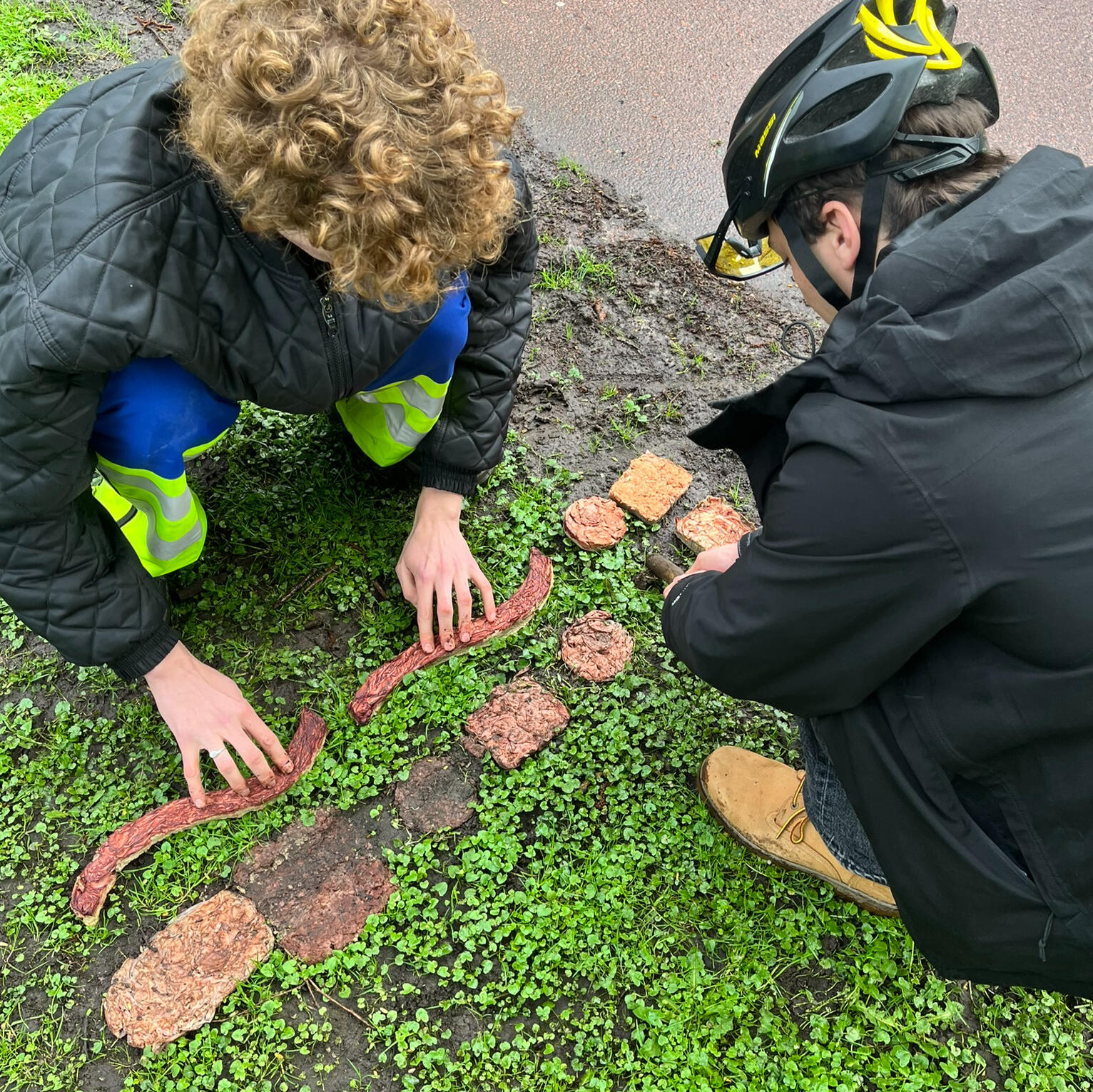
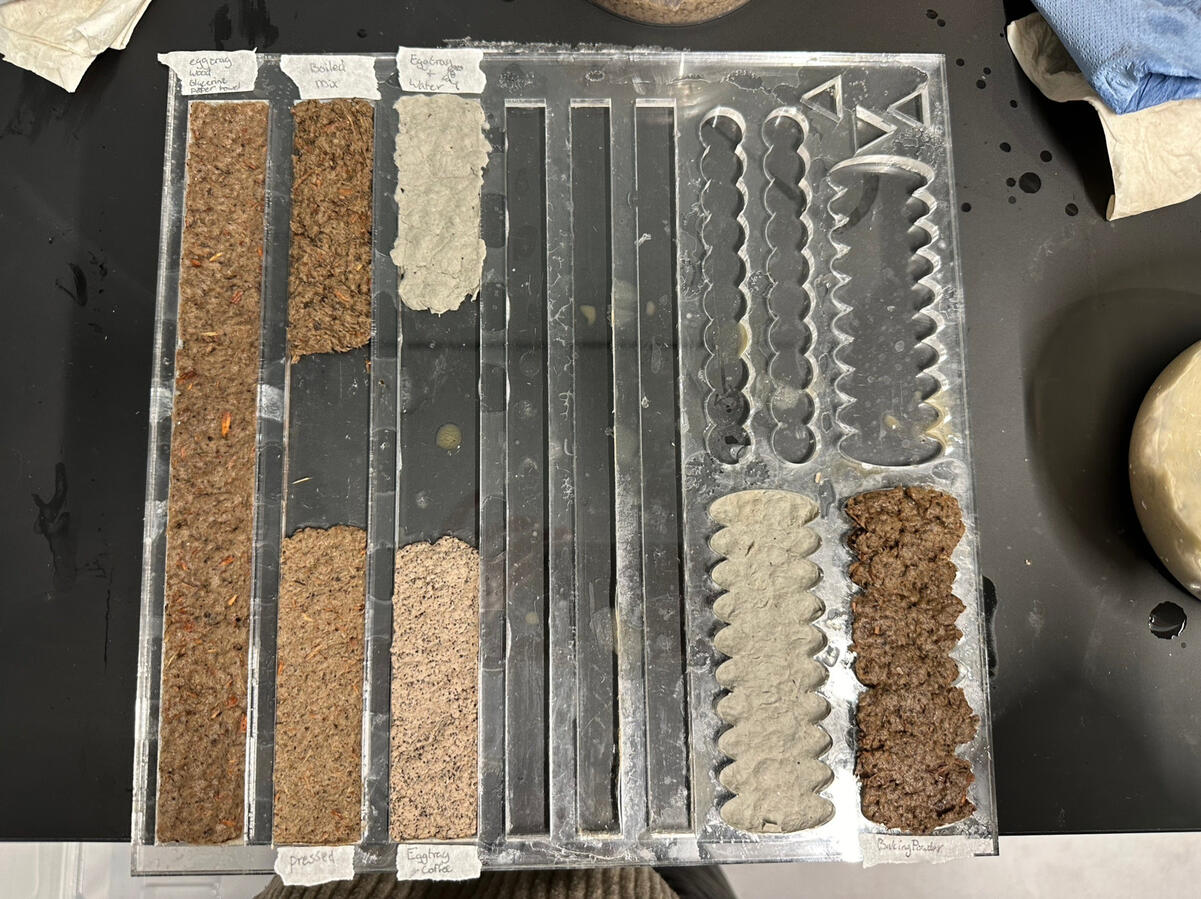
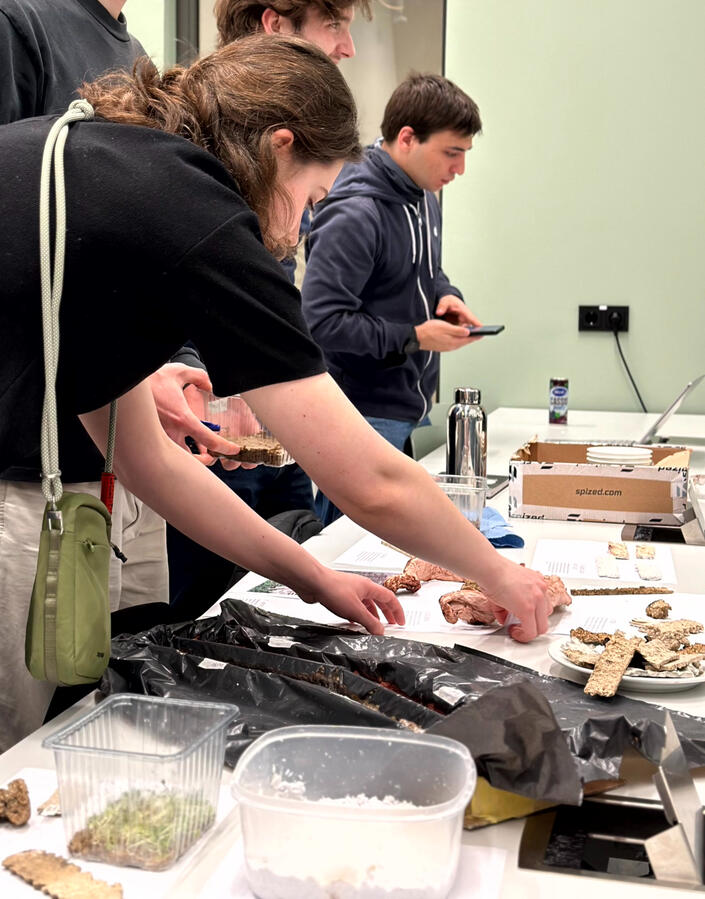
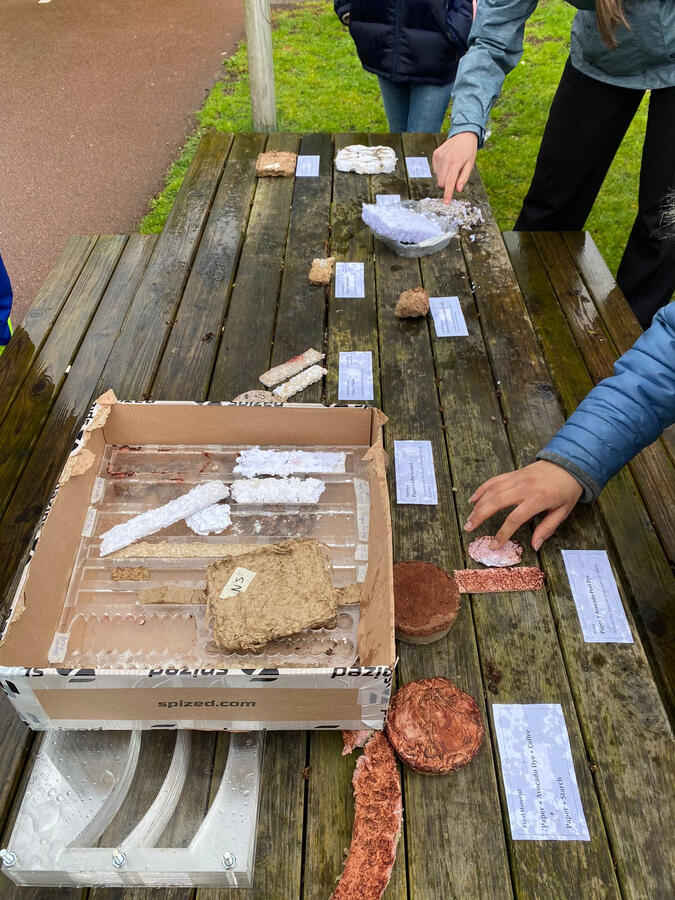
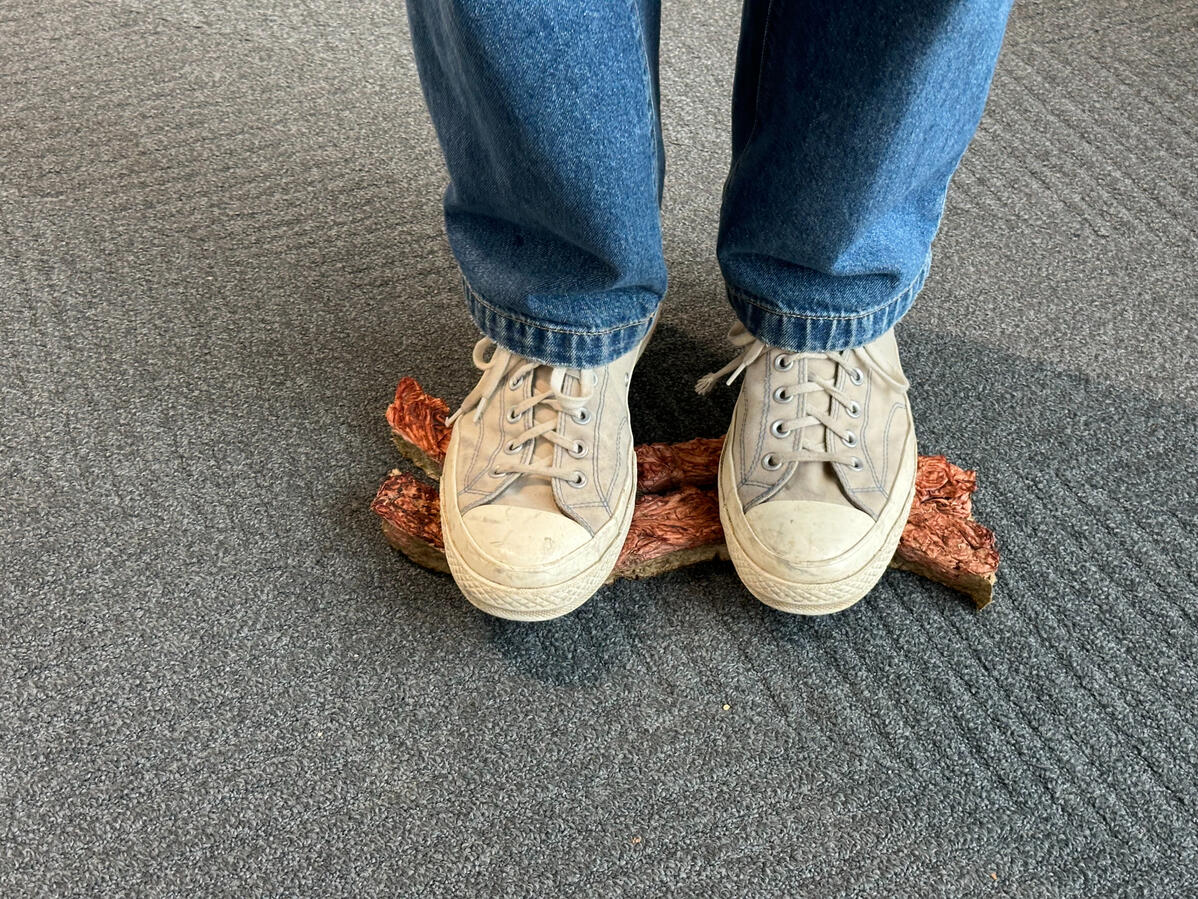
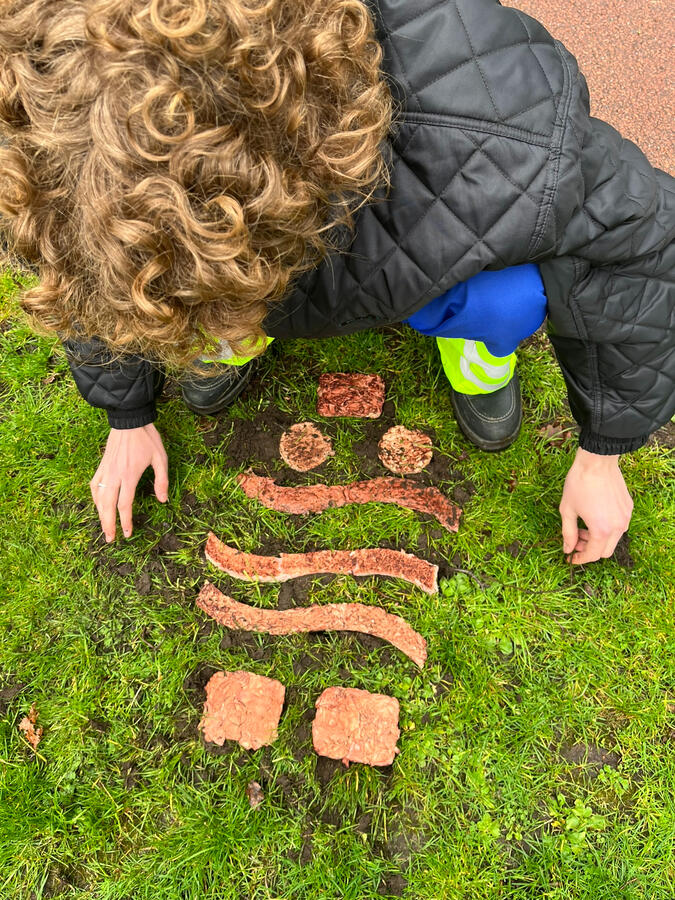
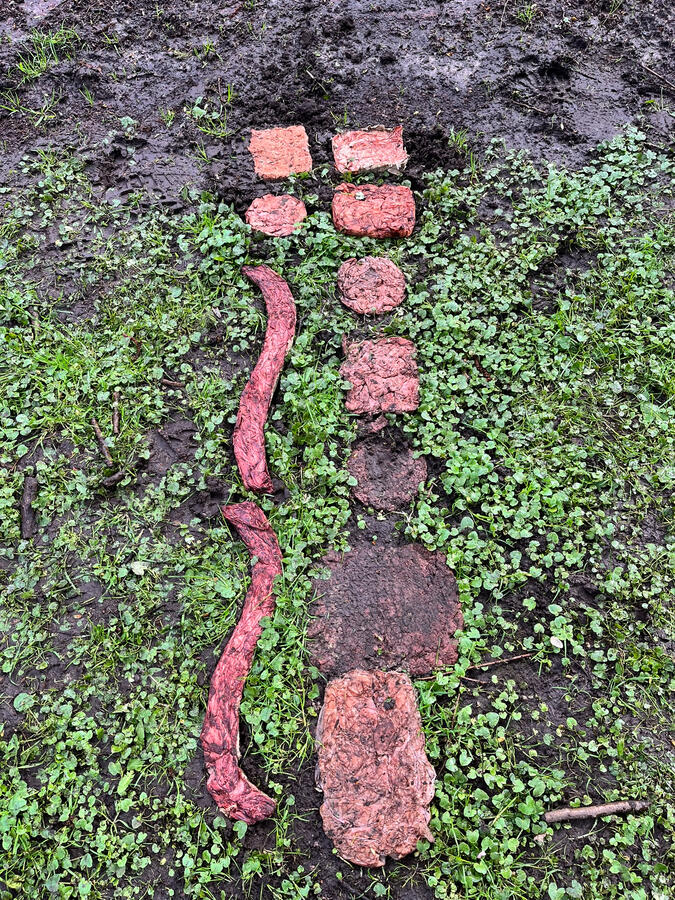
Walking around campus, we realised that the bike lane is a fascinating place. A place that humans, specifically humans on bicycles, seem to feel they own, simply because it is pink. Yet non-humans, such as geese, insects, or even fallen trees, are just as much a part of this space, without recognising this rule.As part of the course Unexpected Material Engagementa, I was introduced to more-than-human design methods such as noticing, speculation, and site-specific design research. Together with my team, I explored how bike lanes might be experienced from a non-human perspective. The result was a speculative proposal for bike lane tiles made from paper waste, designed to support safer crossings for non-human animals.


adding textile structures to liquid crystal polymers
device integrated responsive material
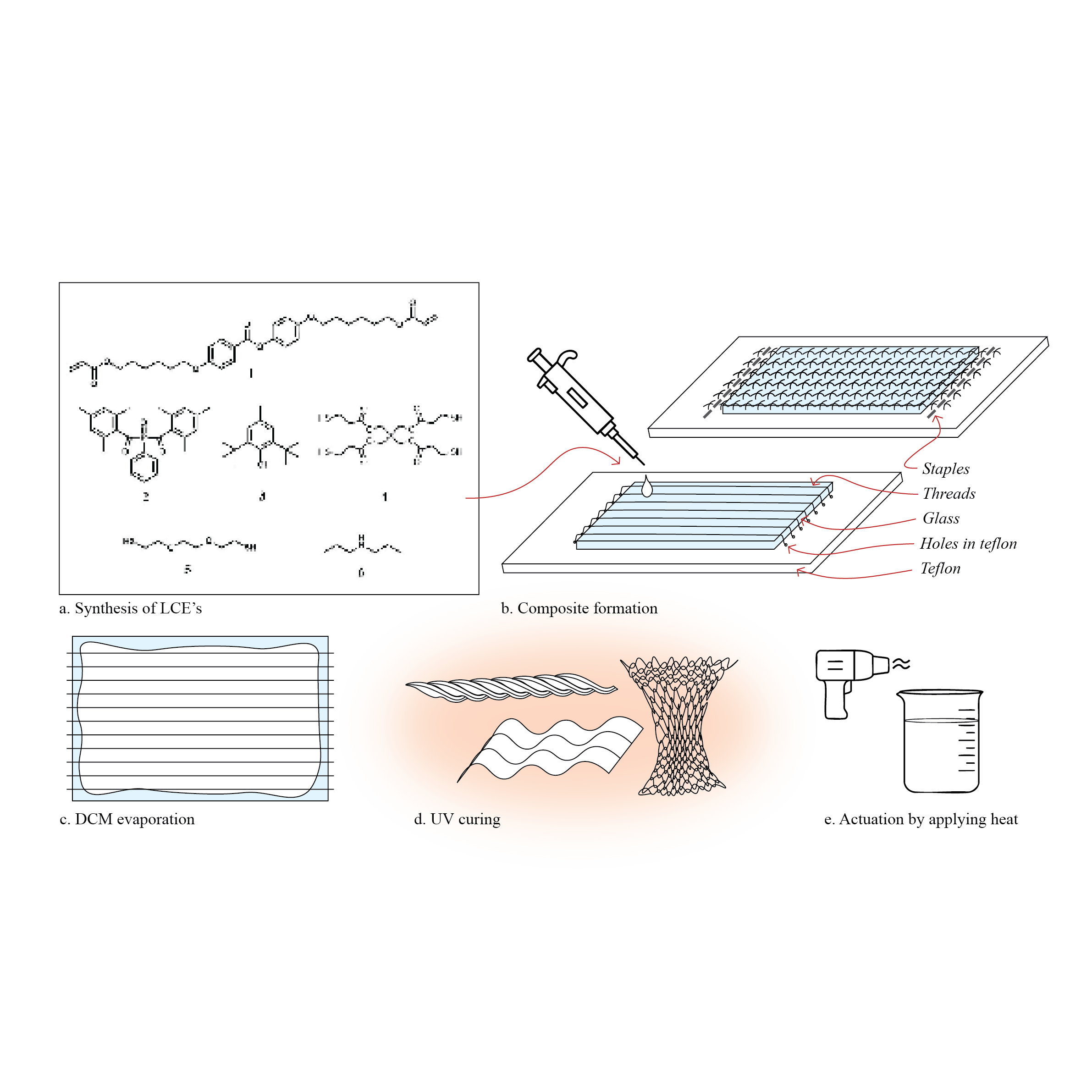
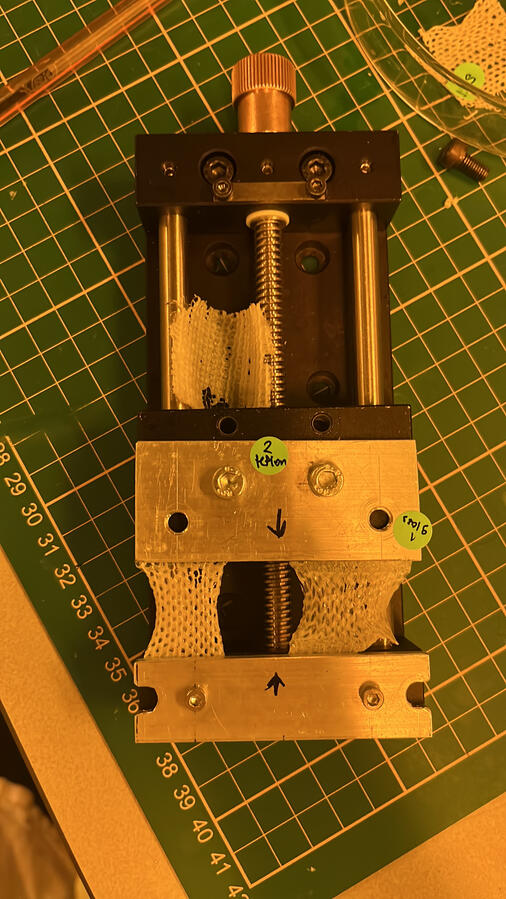
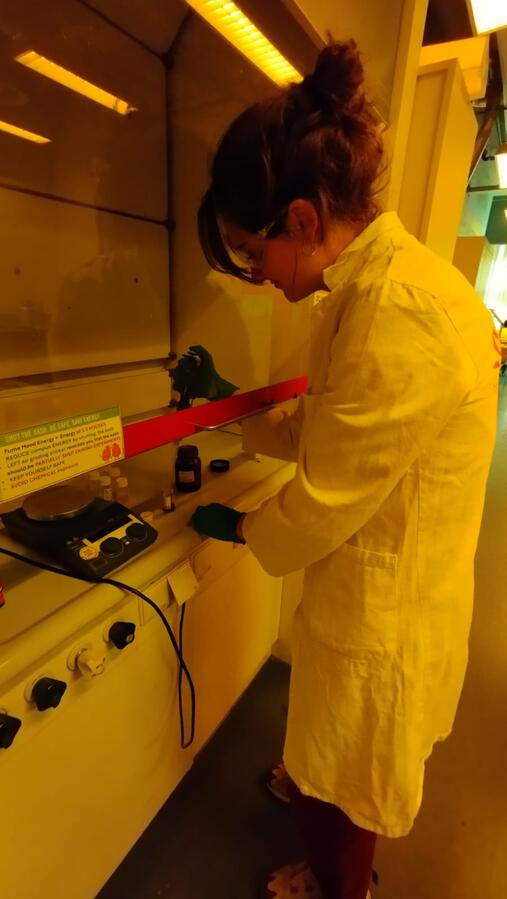
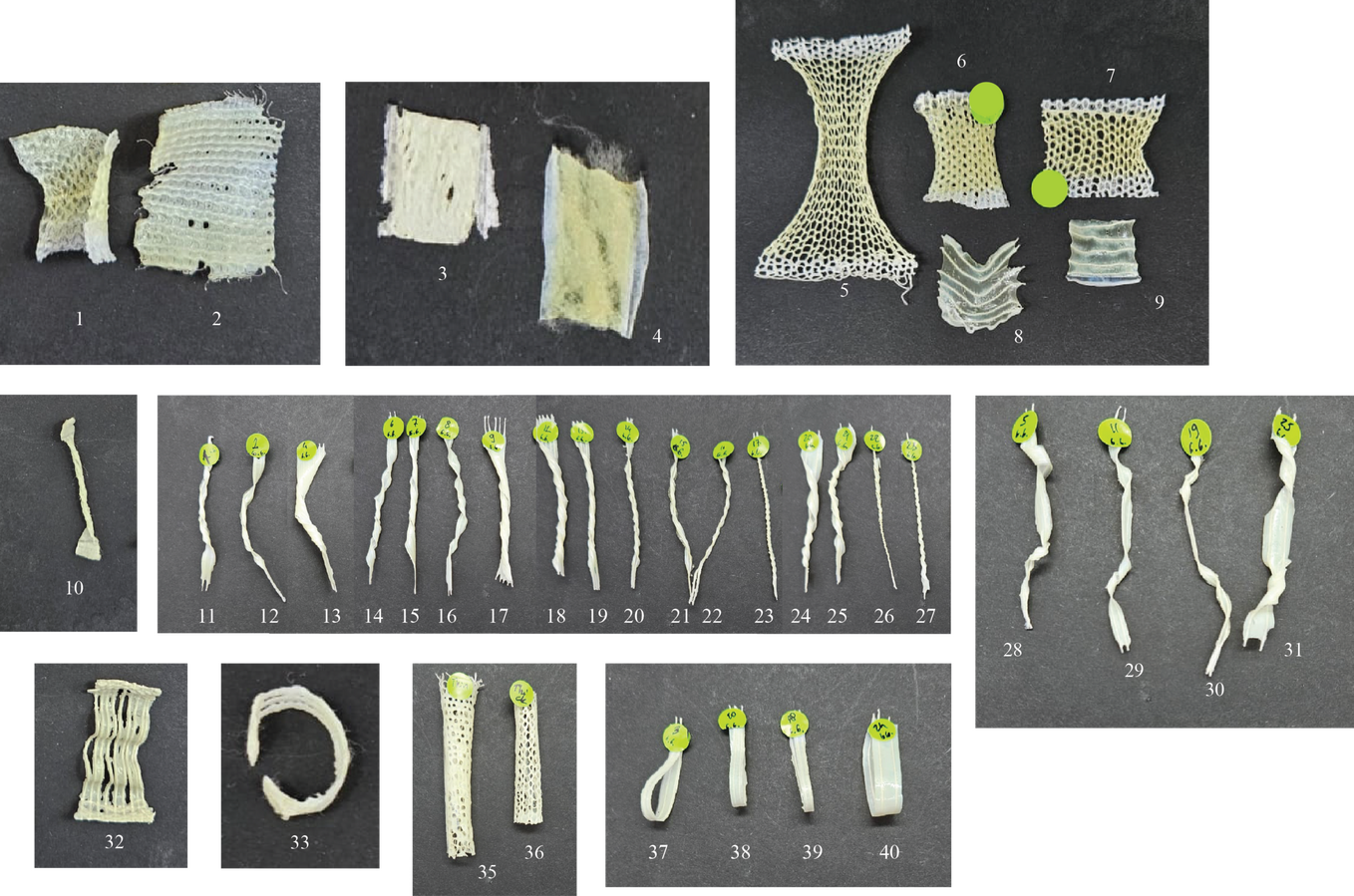
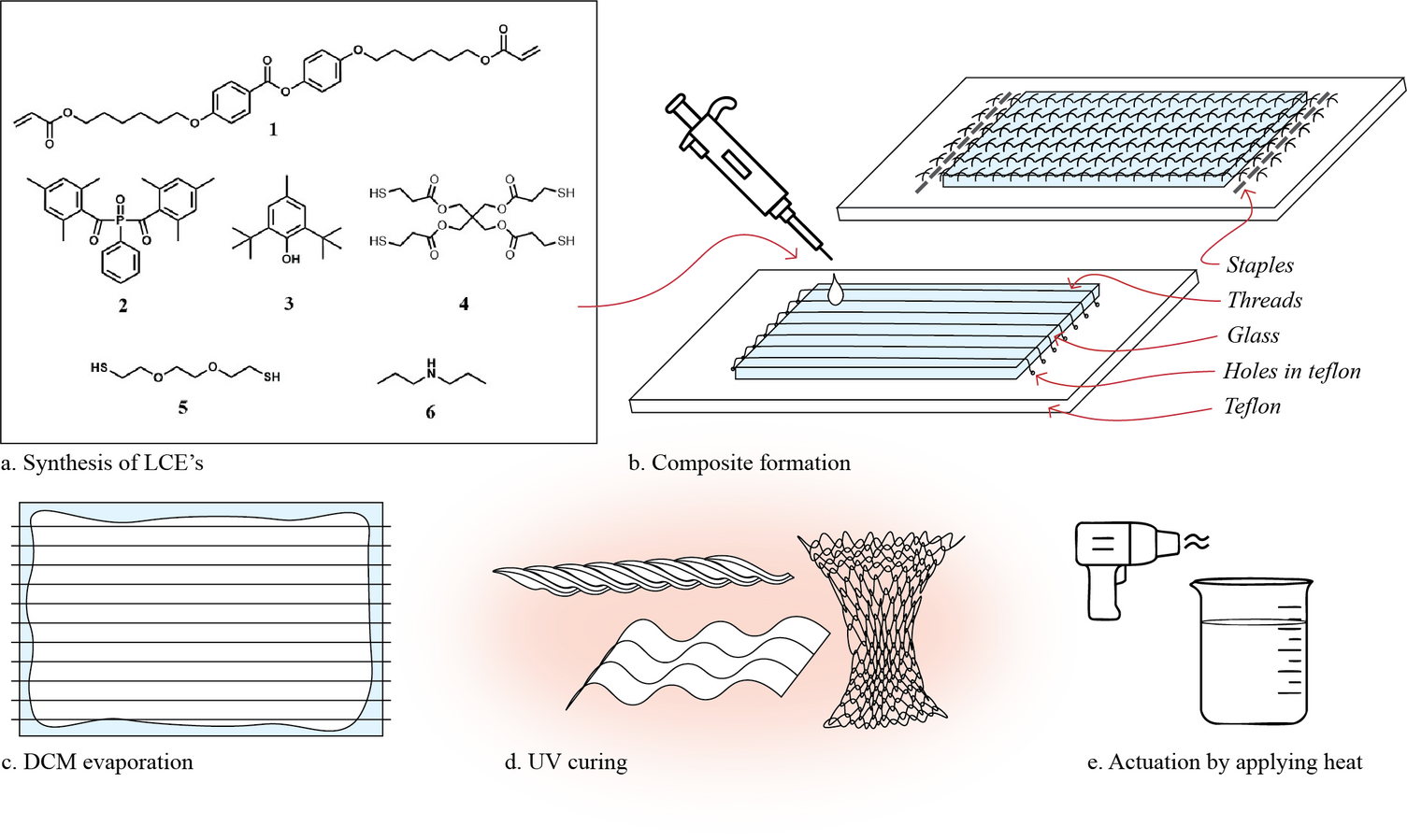
Being the only designer in a team of chemists can feel intimidating. At the same time, it made me realise how valuable a design perspective can be within interdisciplinary research.Together with two chemistry students, I contributed to a research project supporting PhD research on liquid crystal polymers, materials that change shape in response to temperature. To improve the structural behaviour of the samples, we explored the integration of natural fibre textile structures within the material. The fibres needed to remain stable in the solvent and also enabling stretchability within the final samples.We developed and tested a range of knitted and aligned-fibre structures, resulting in samples that could stretch, twist, and deform. I contributed textile and fibre expertise, as well as experience with making-guided experimentation and embracing unexpected findings. At the same time, my teammates introduced me to material chemistry, laboratory processes, and material evaluation methods. The project received a grade of 9.
soft robotics arm cuff
constructive design research
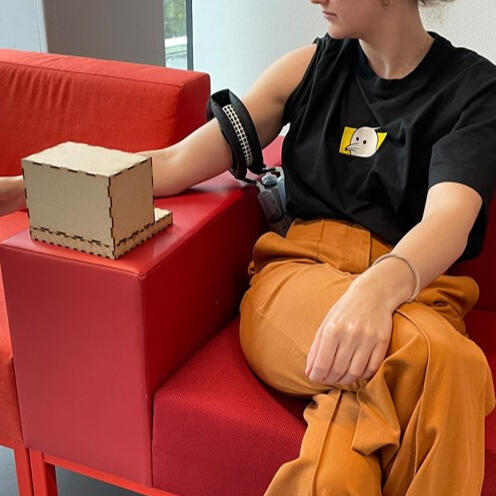
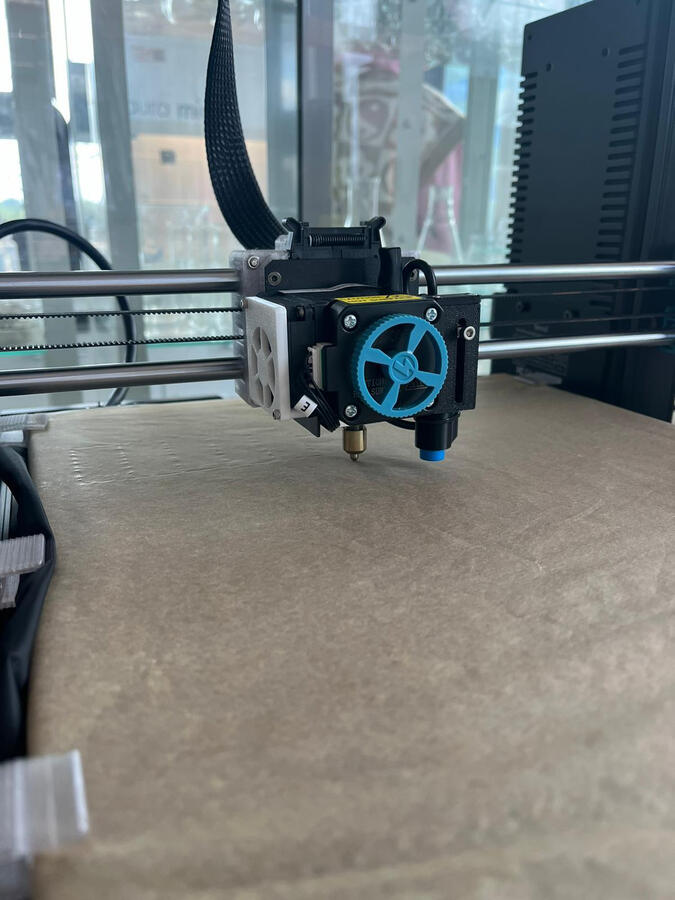
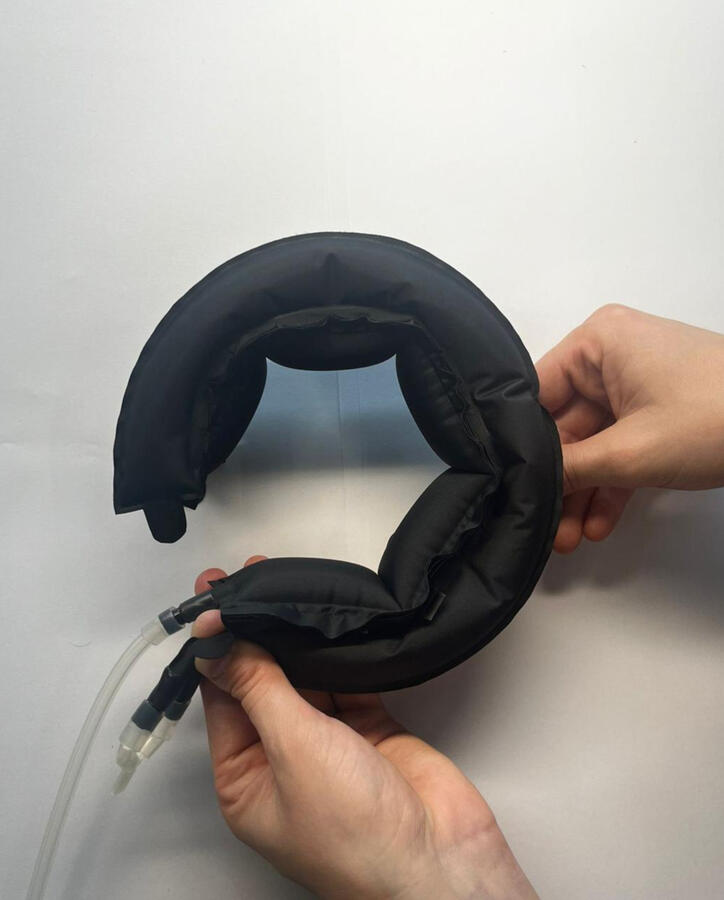
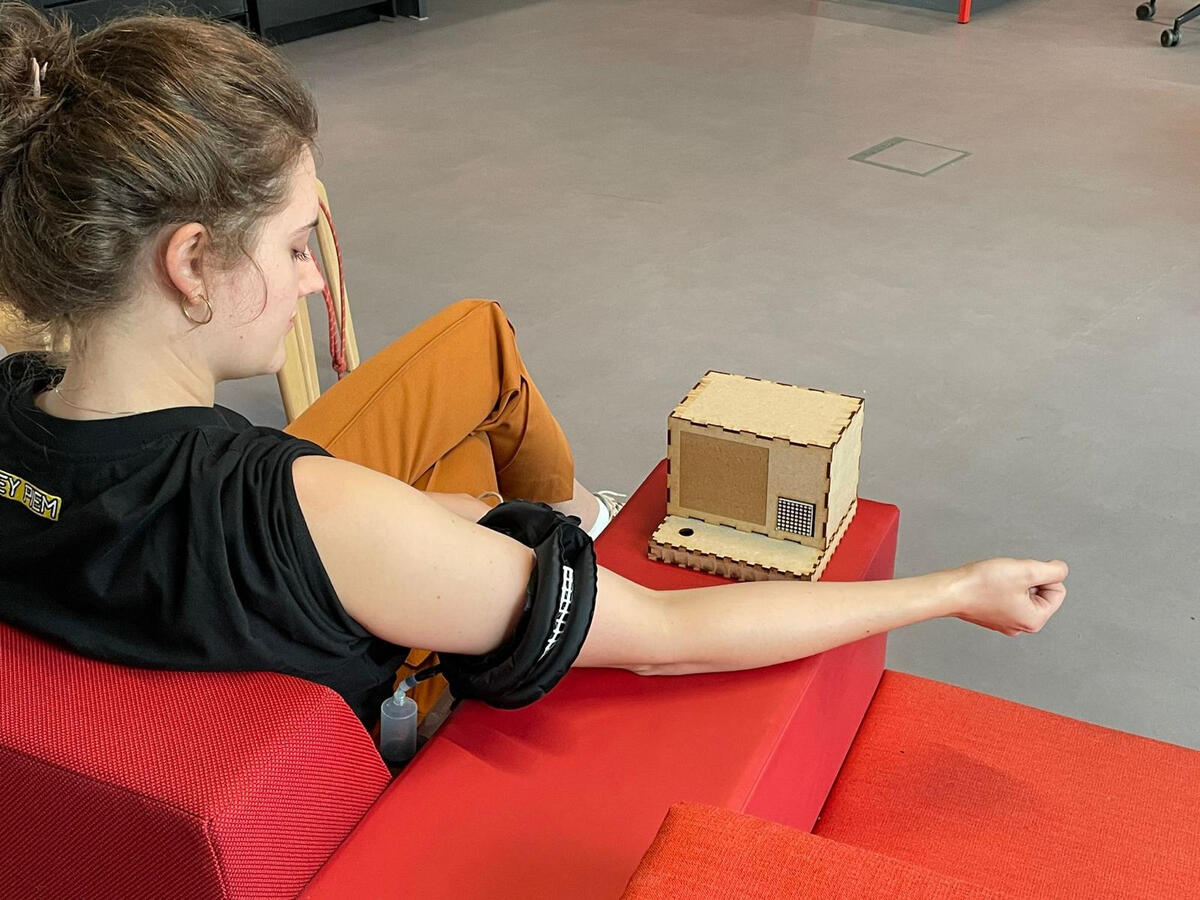
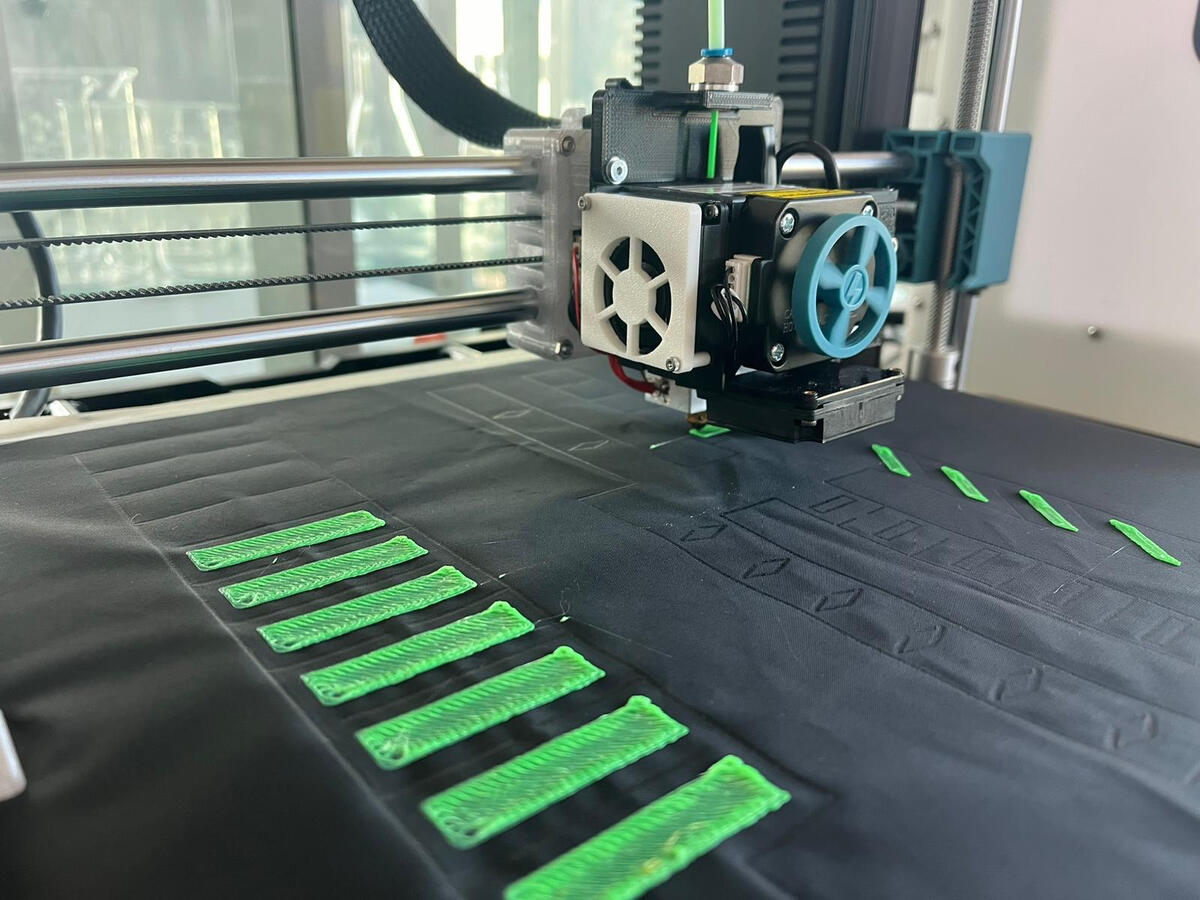
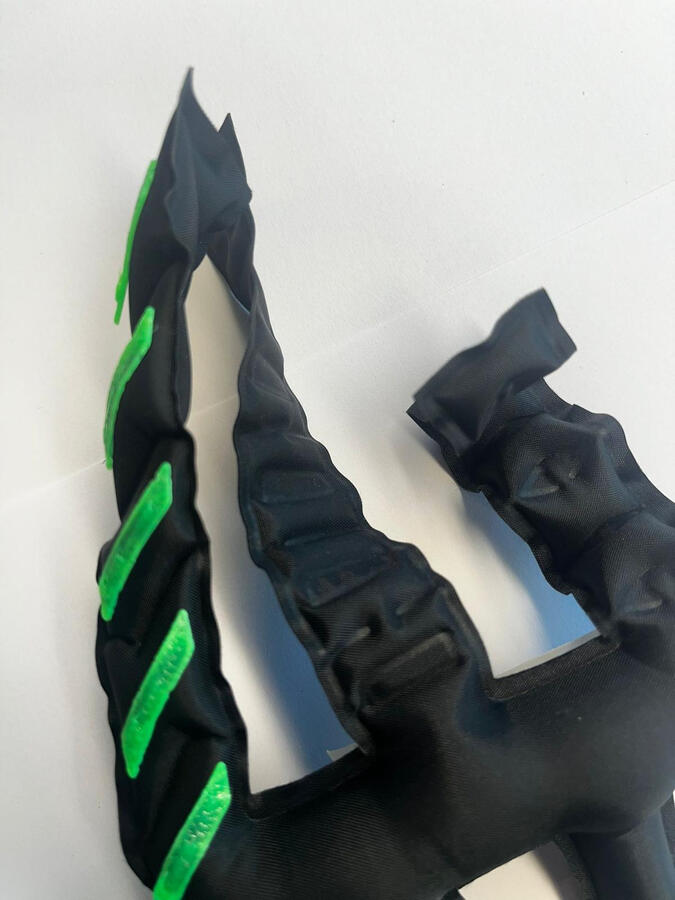
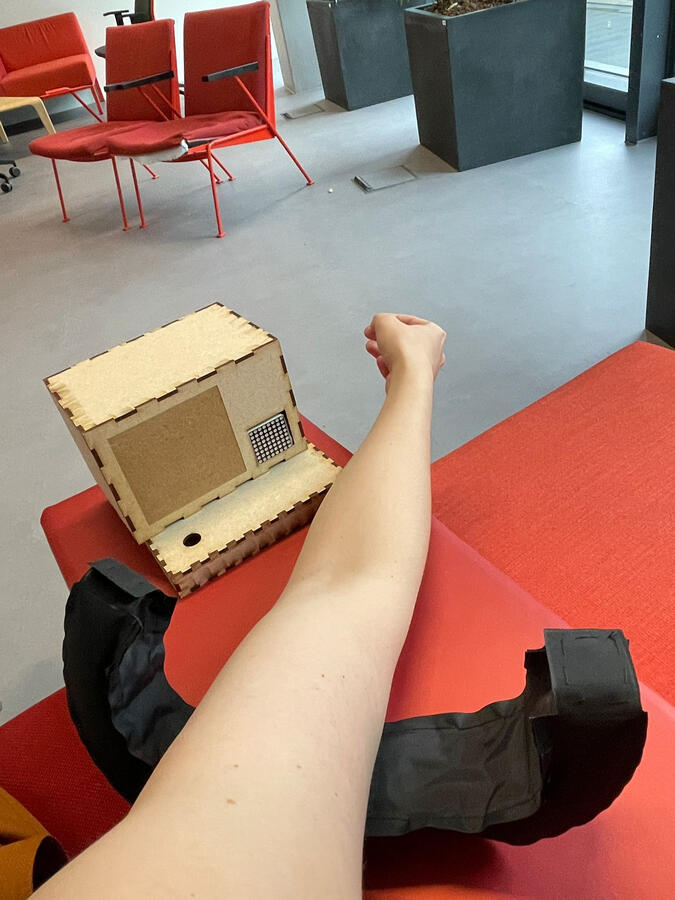
This project made me realise how much I enjoy digital fabrication. More importantly, it showed me how unexpected material behaviour can lead to fitting design outcomes.For the course Constructive Design Research with Studio Method, our research group was tasked with designing a soft robotic arm cuff that would automatically tighten around the arm when inflated. We worked with a fabrication process that combined airtight sealing of textiles using a heated nozzle on a modified 3D printer with filament-based 3D printing on the same machine, ensuring precise alignment between both processes.We began by producing simple rectangular samples. During testing, we unexpectedly discovered that circular geometries produced exactly the movement we were aiming for when inflated. This finding became central to the final design.The project reinforced my preference for thinking through making. Rather than developing complete solutions in advance, I find that material experimentation often reveals possibilities that would be difficult to predict beforehand. During the project, I also became more aware of the use of plastics and silicone in many soft robotic systems. This led me to question how such digital fabrication processes could be developed in more material- and ecology conscious directions.

team hart
student team
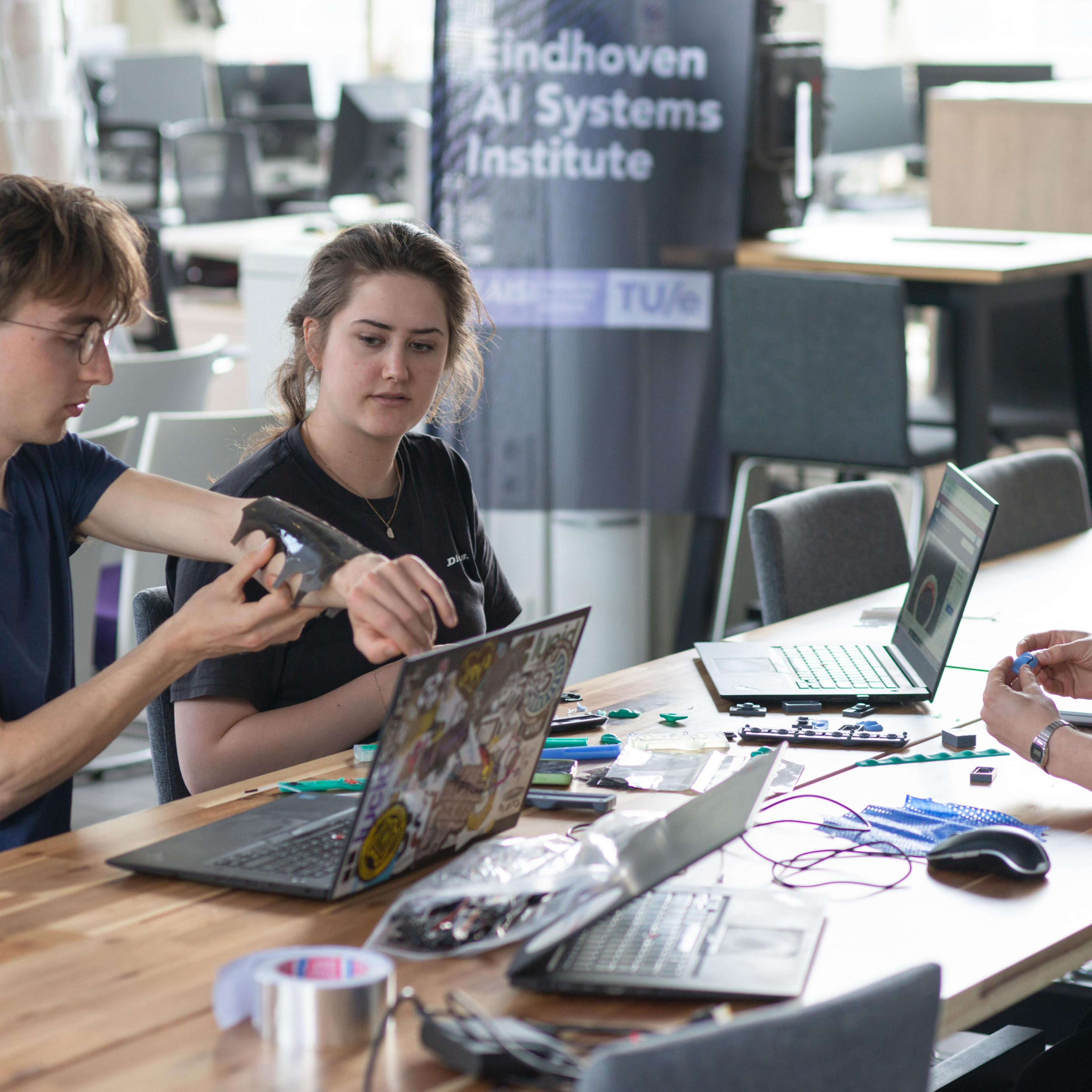
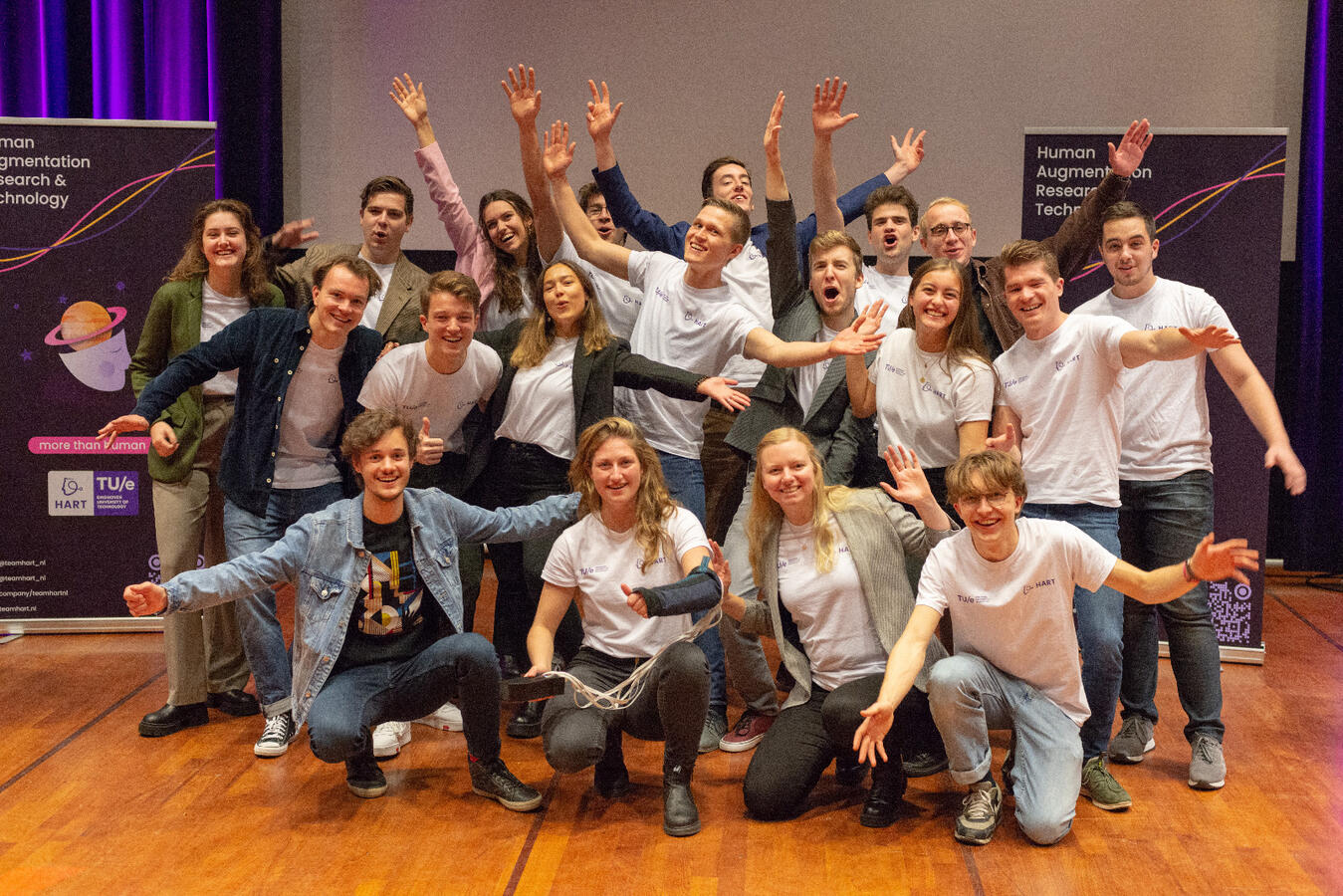
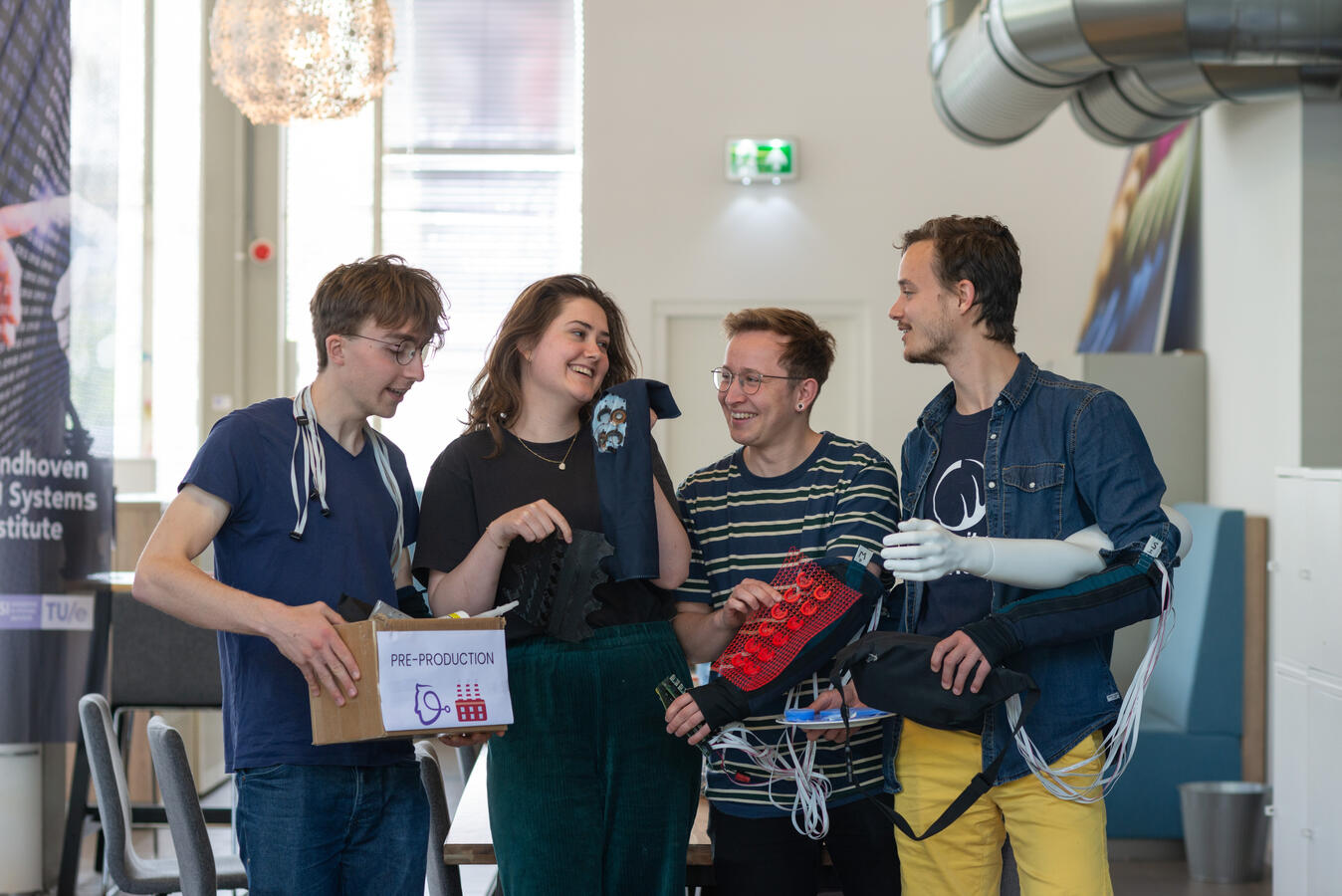
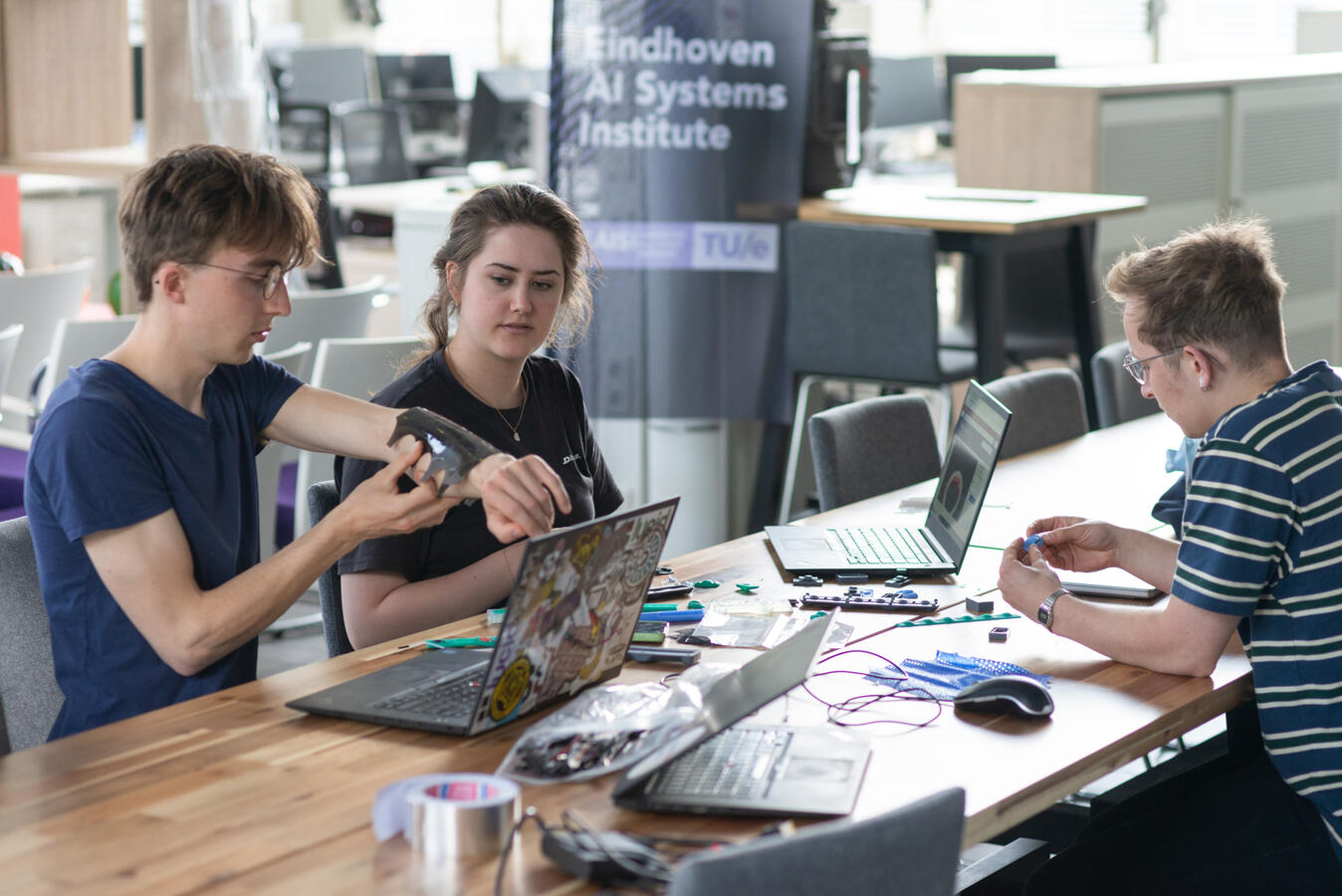
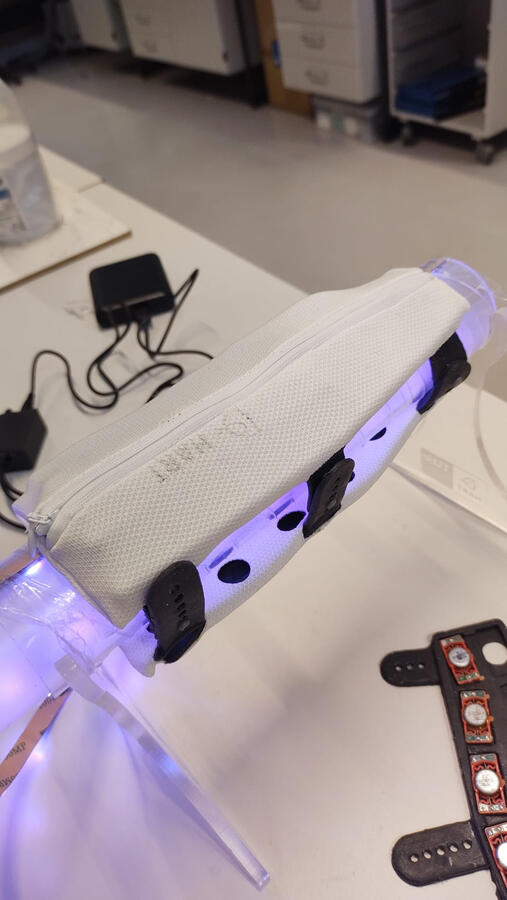
A full year of working in a non-hierarchical interdisciplinary team on the development of an additional sense remains one of the most formative experiences of my bachelor's degree.I dedicated a year to Student Team HART as lead HR and wearable designer. Team HART focuses on human augmentation and developed a wearable sleeve that communicates information through patterns of vibration, functioning as an additional sensory channel. The team's primary focus was exploring how language could be communicated through touch for hearing-impaired individuals.As Lead HR, I supported the team's open and non-hierarchical structure, facilitated team well-being, and coordinated recruitment. As a designer, I was responsible for the wearability of the sleeve, ensuring that the hardware remained both comfortable and securely integrated.The first iteration used a 3D-printed structure that stretched in a single direction. For the second iteration, we introduced silicone components and redesigned the closure mechanism to improve durability, comfort, and integration.Student teams are long-term projects in which students contribute for approximately a year before passing their work on to the next generation. Although Team HART was not a commercial venture, joining only a few months after its founding gave it an atmosphere similar to that of an early-stage startup.